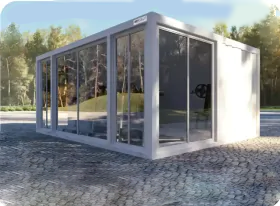
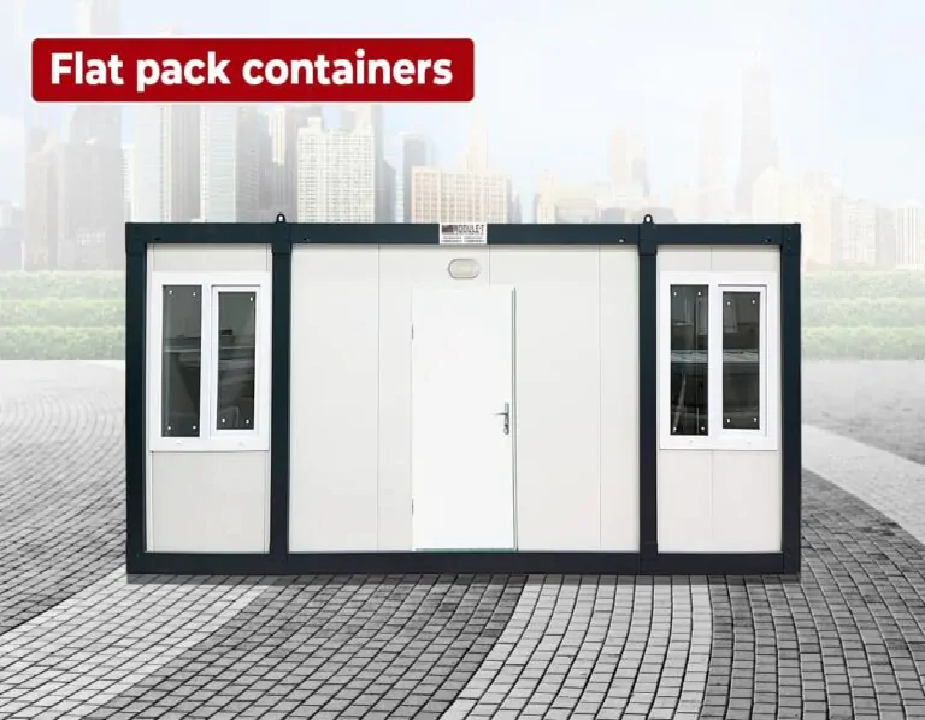
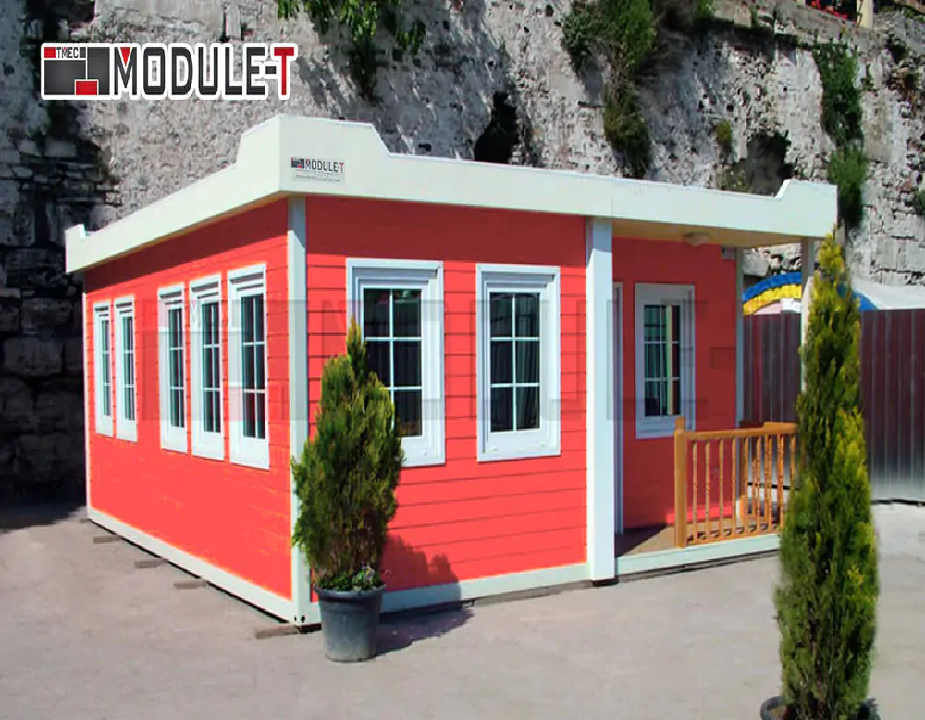
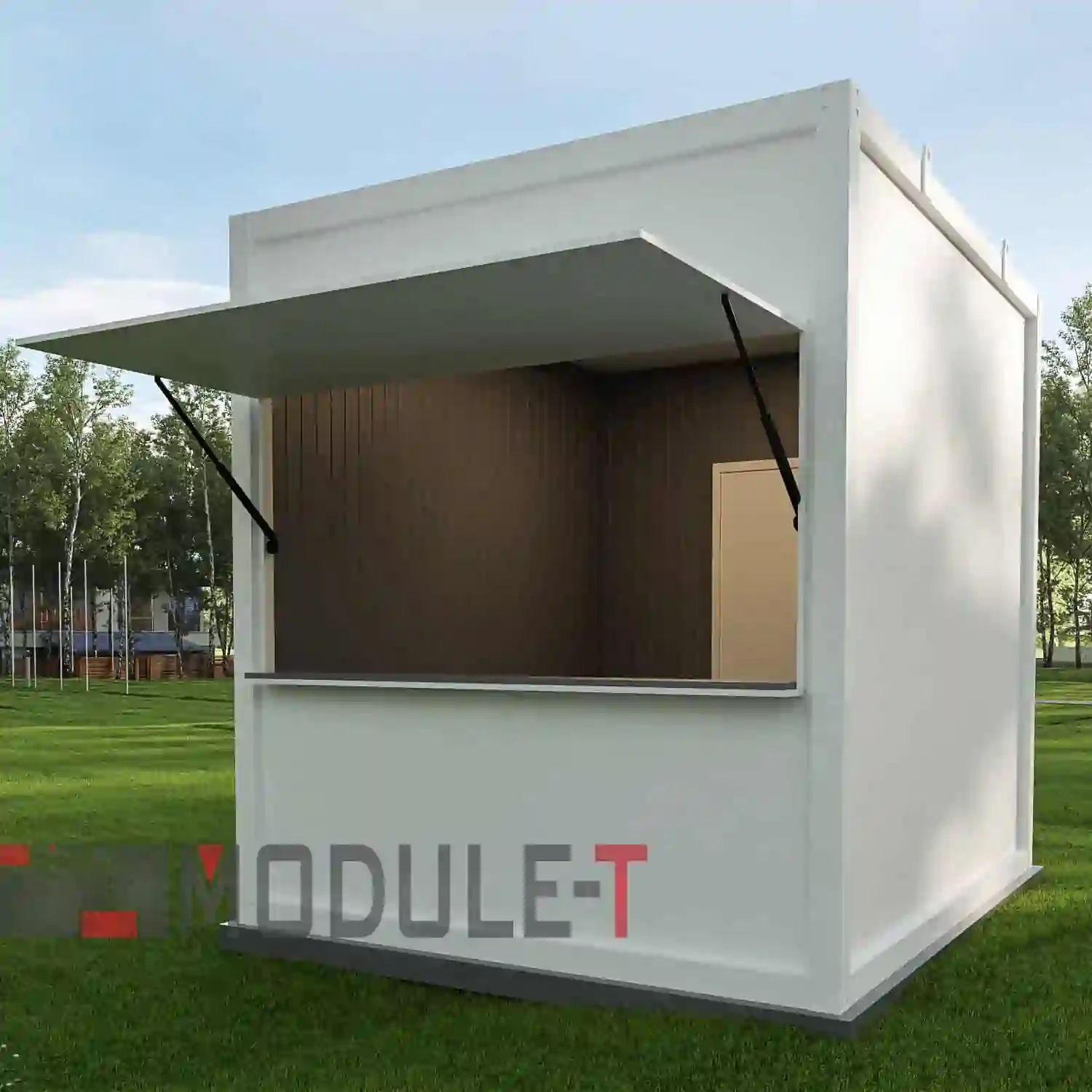
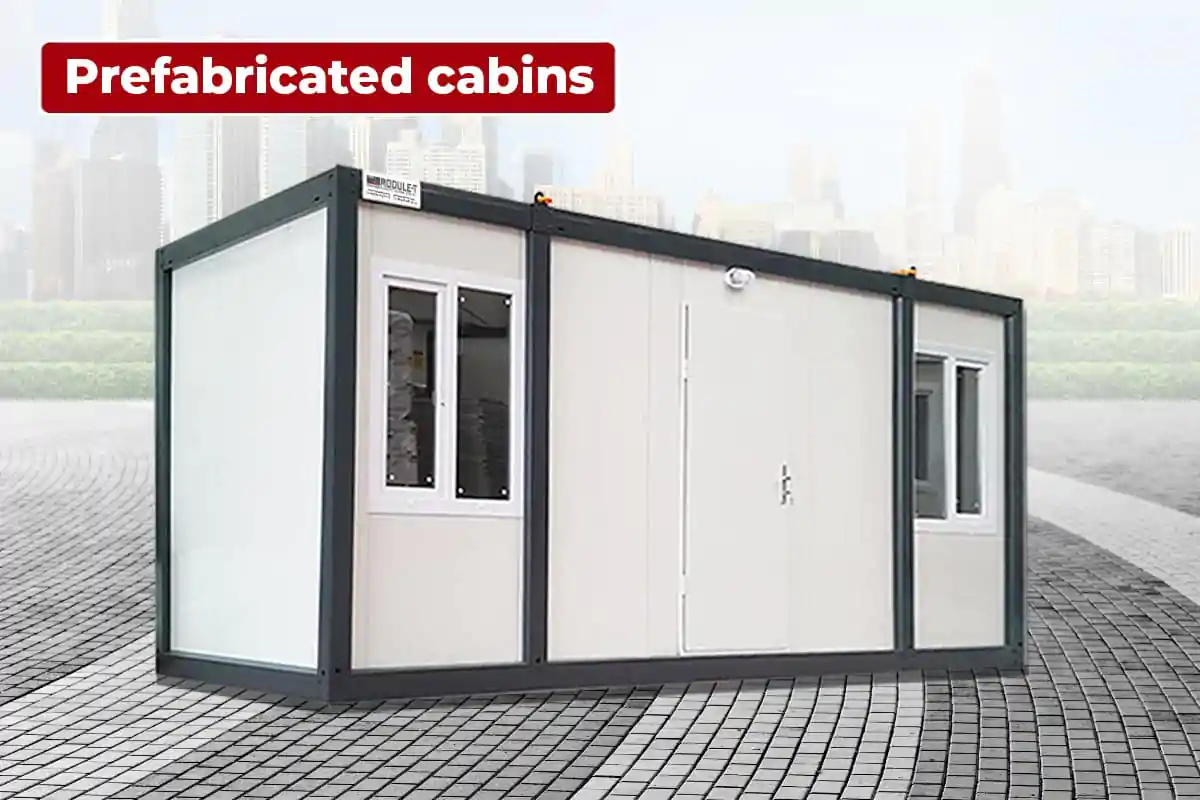
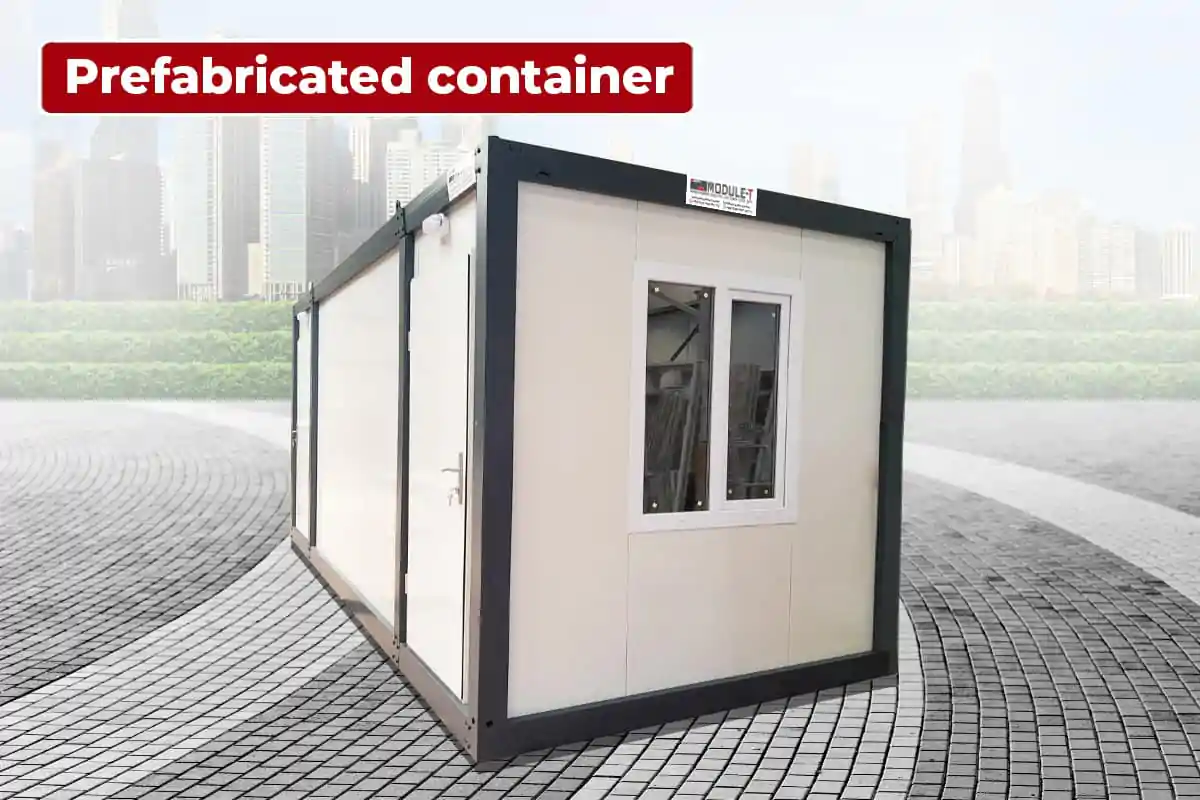
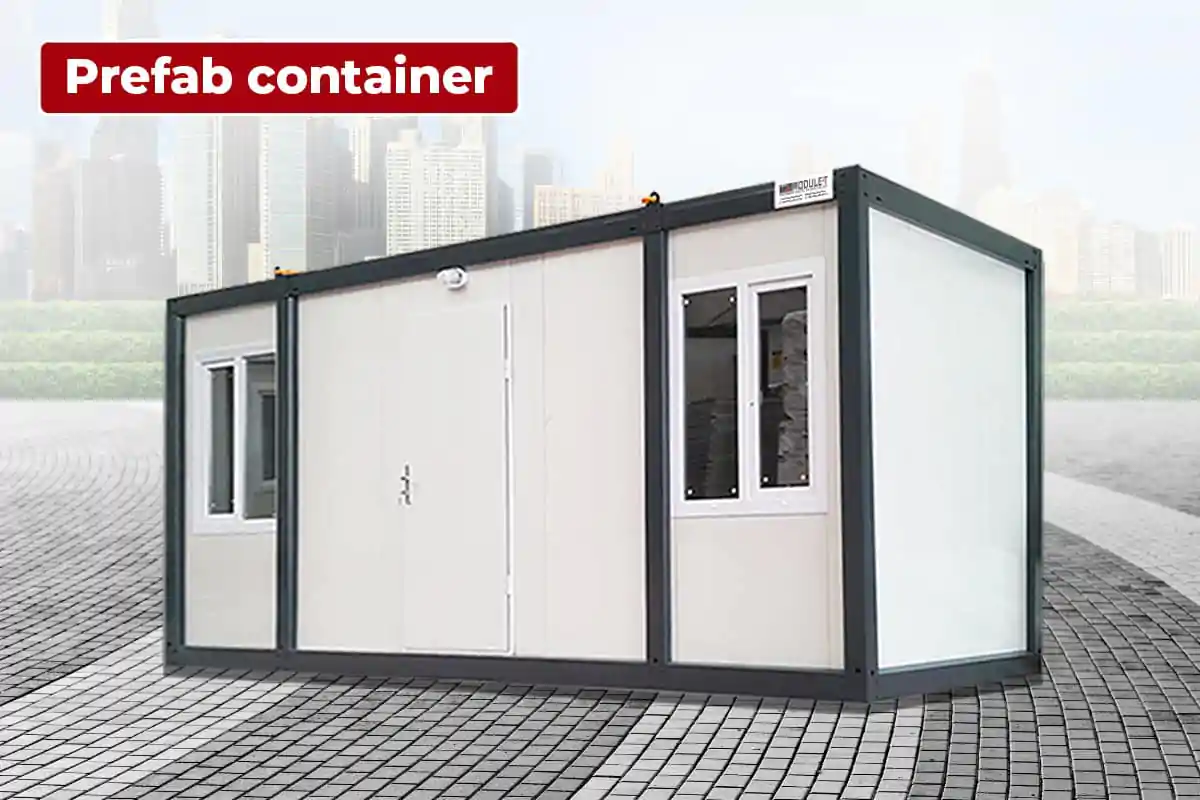
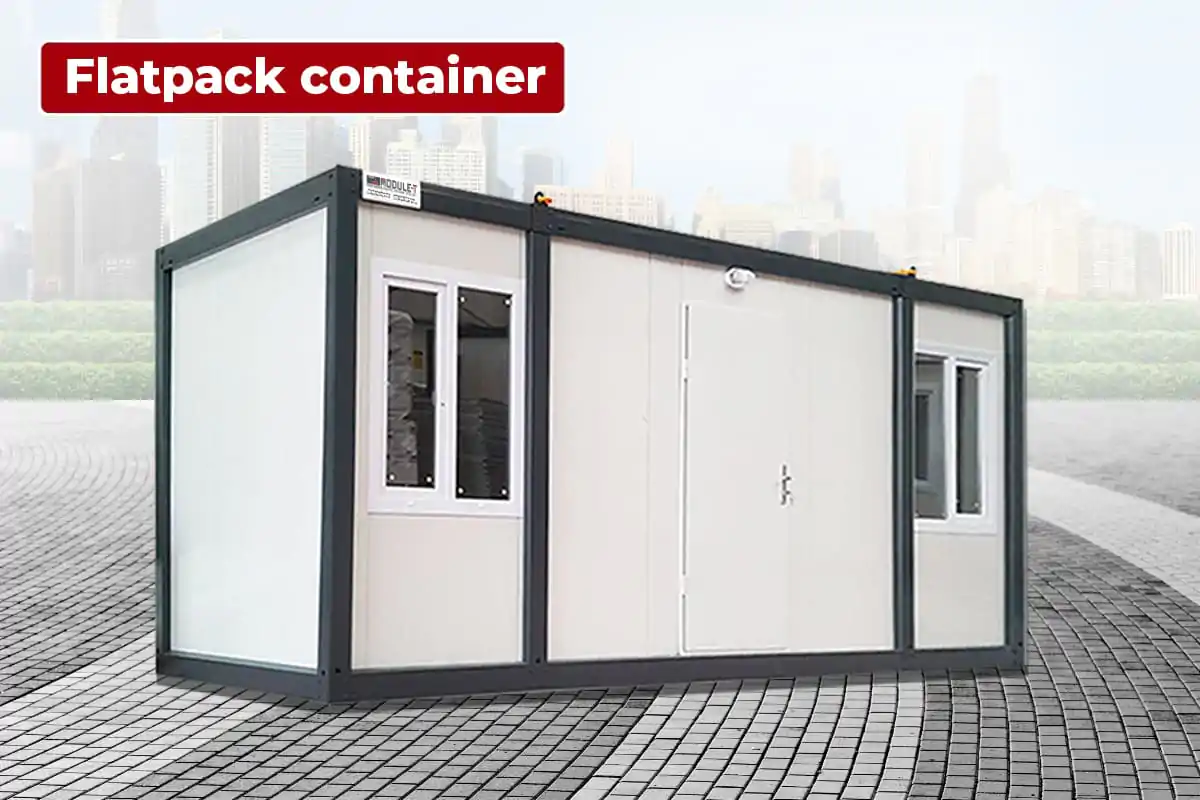
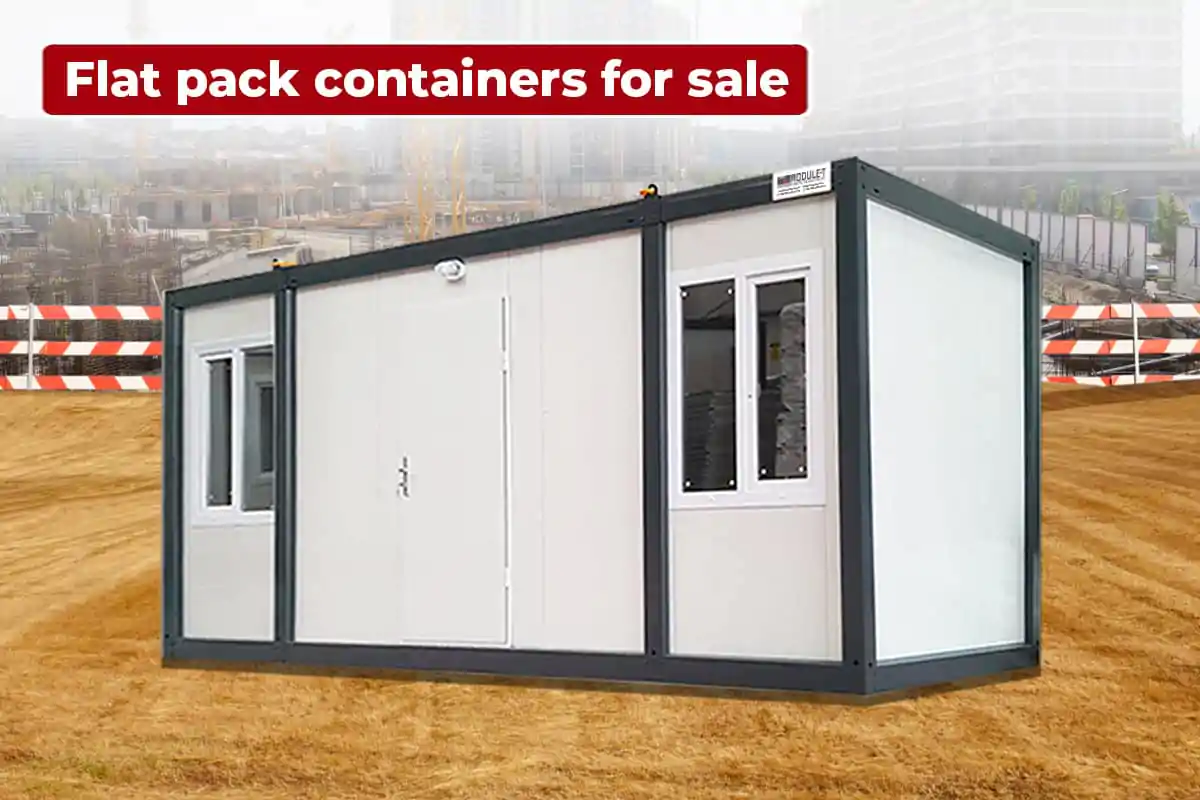
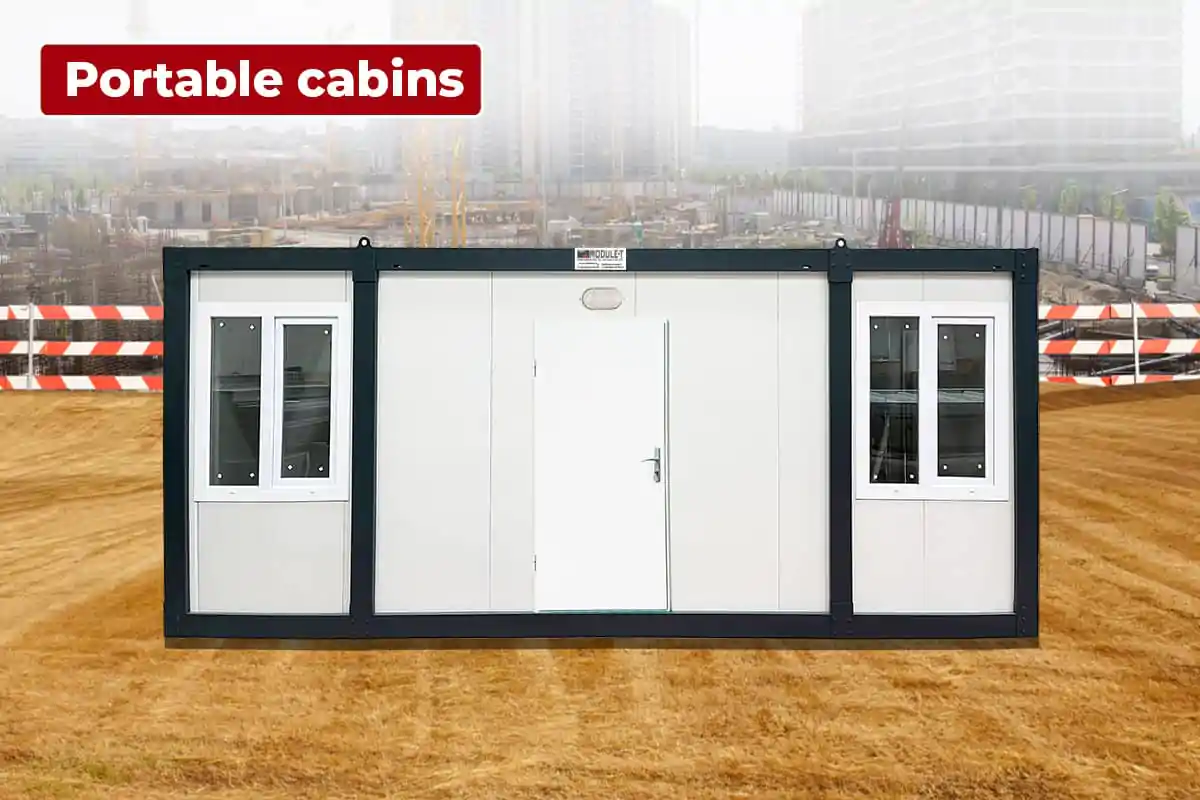
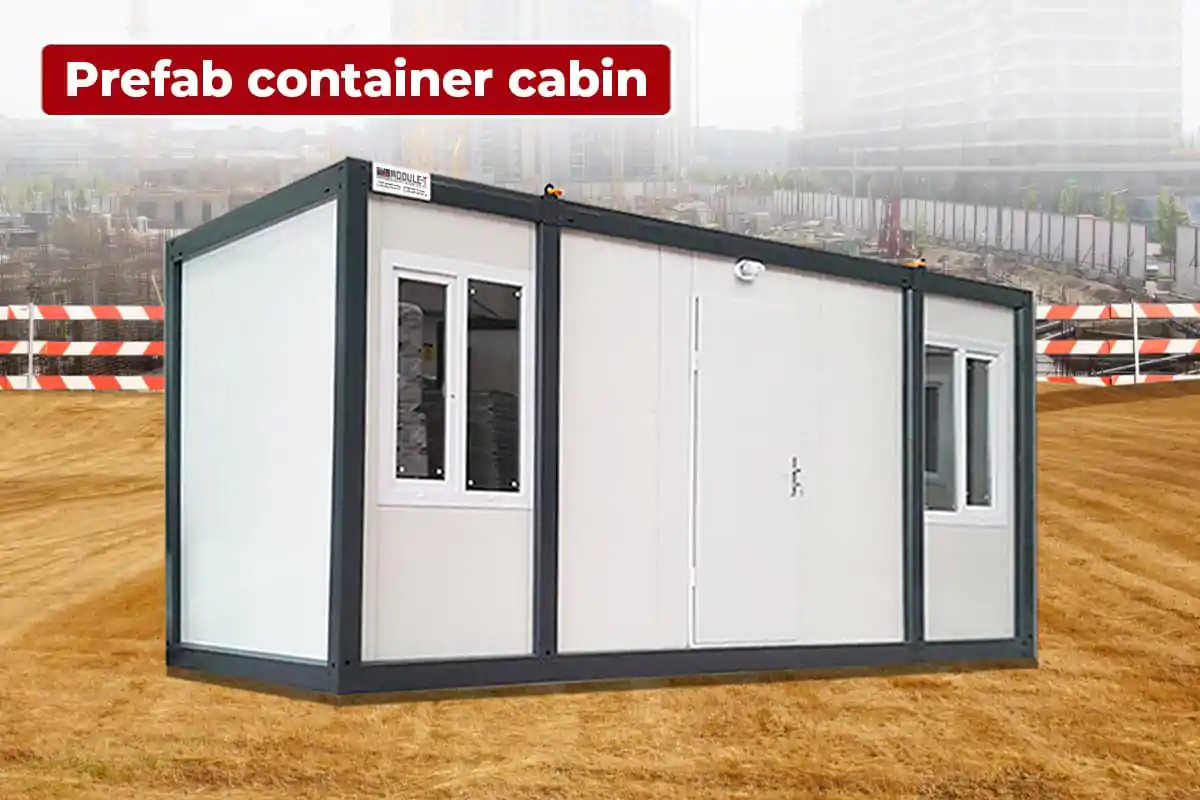
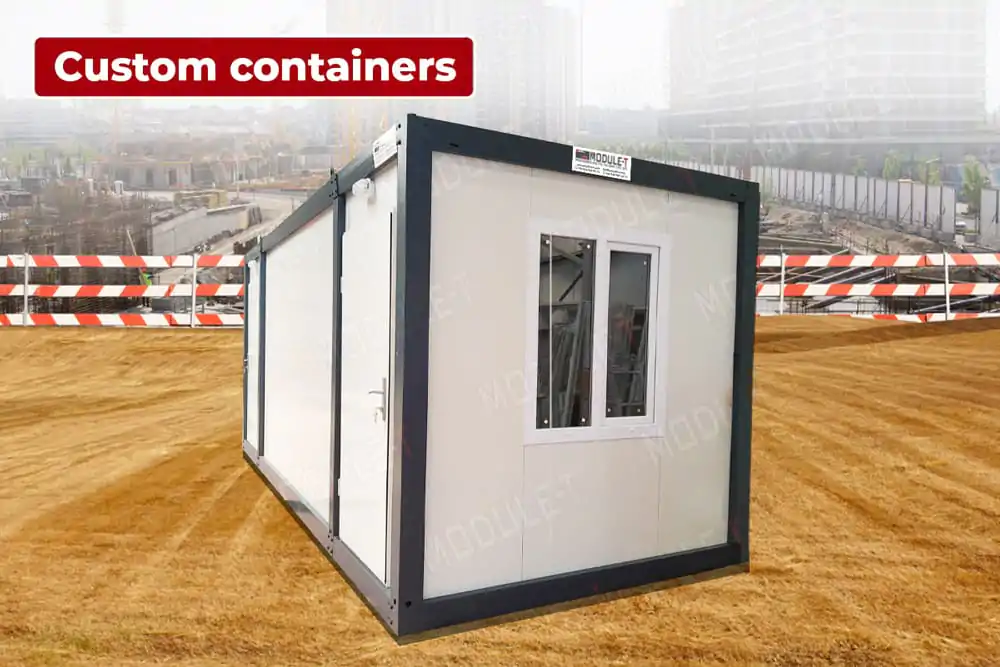
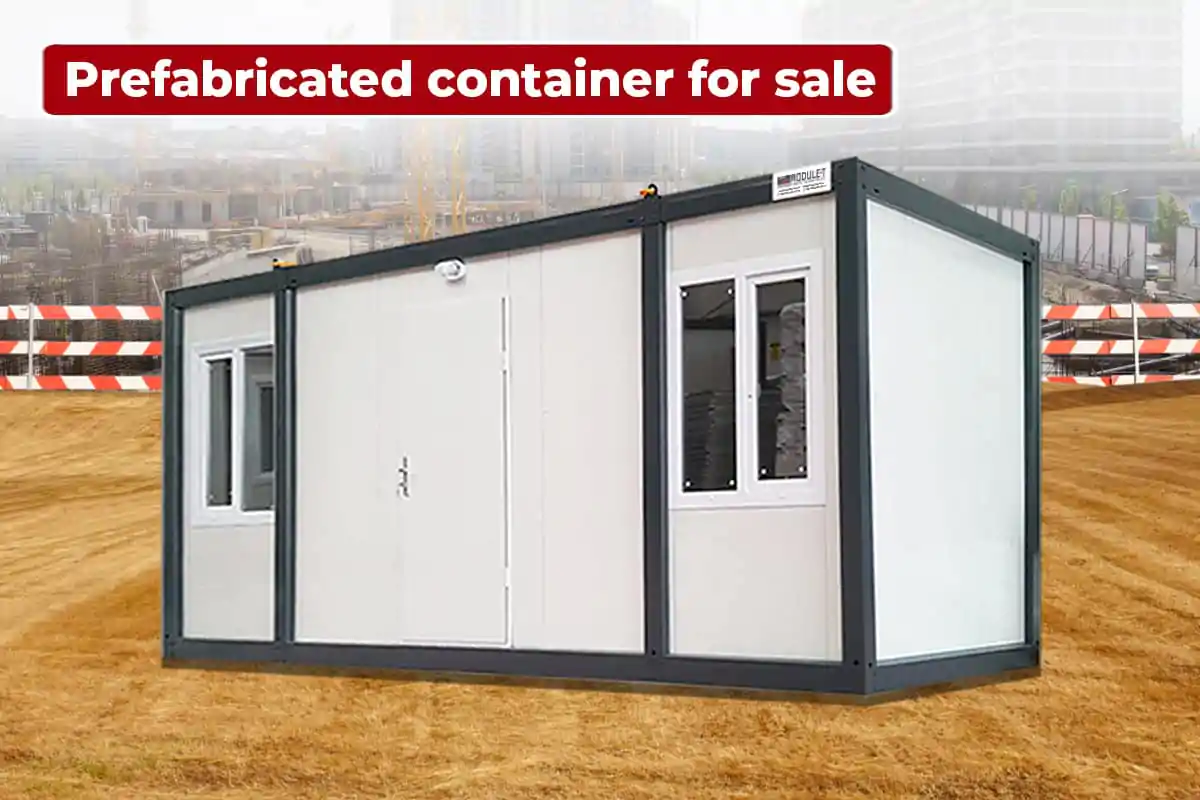
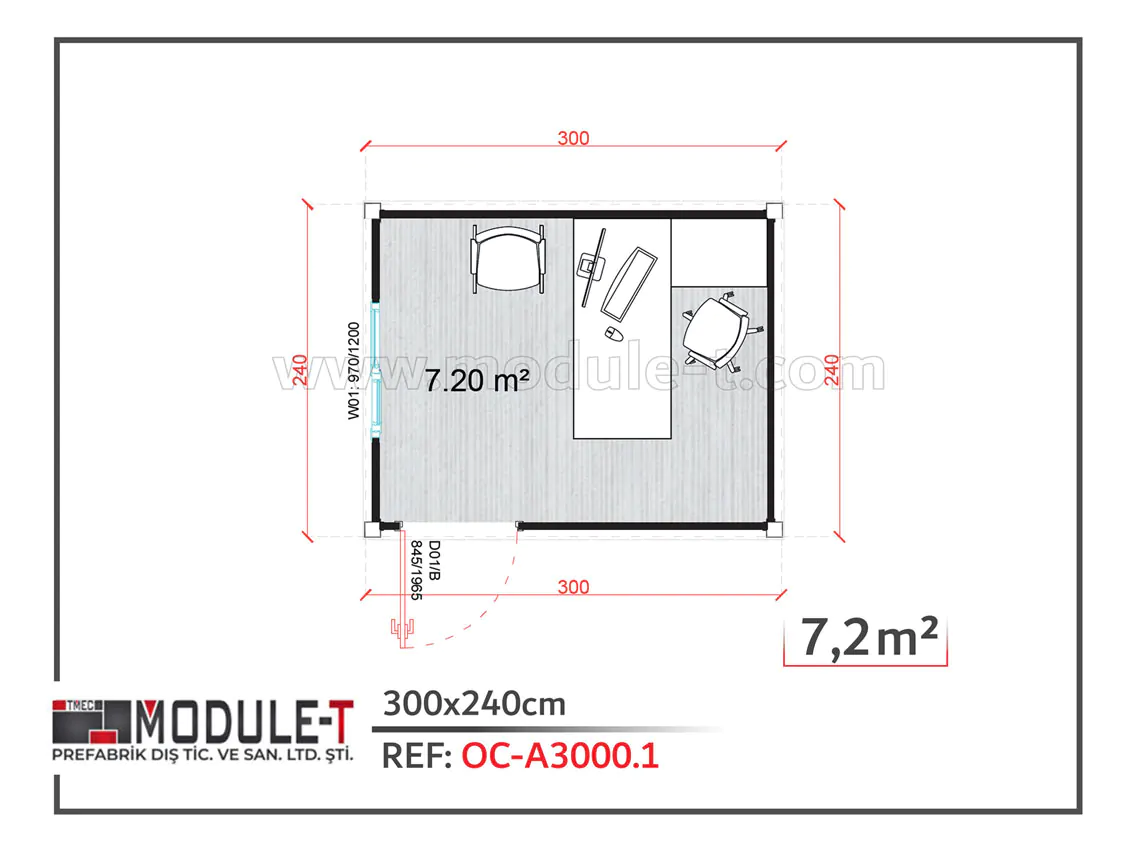
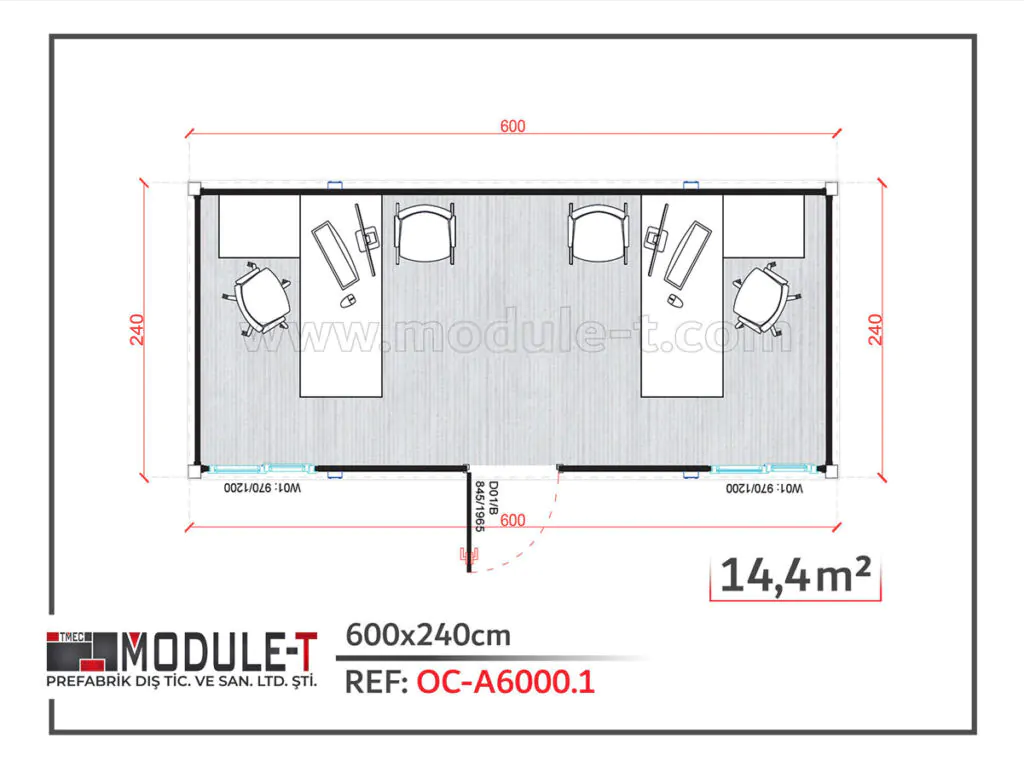
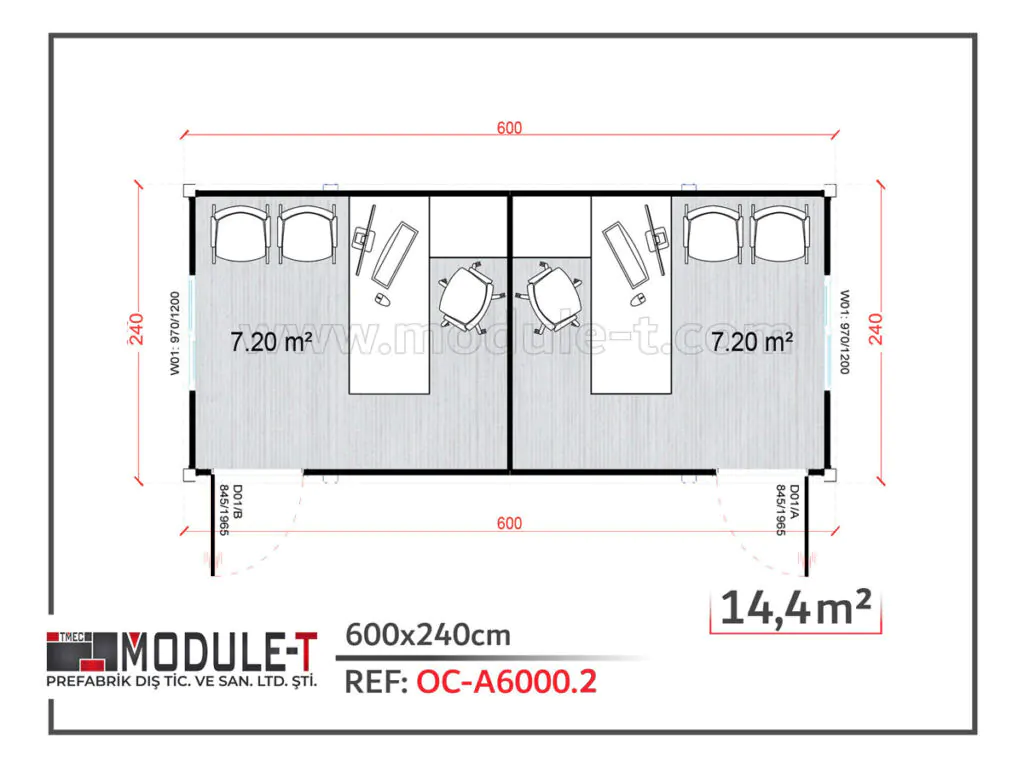
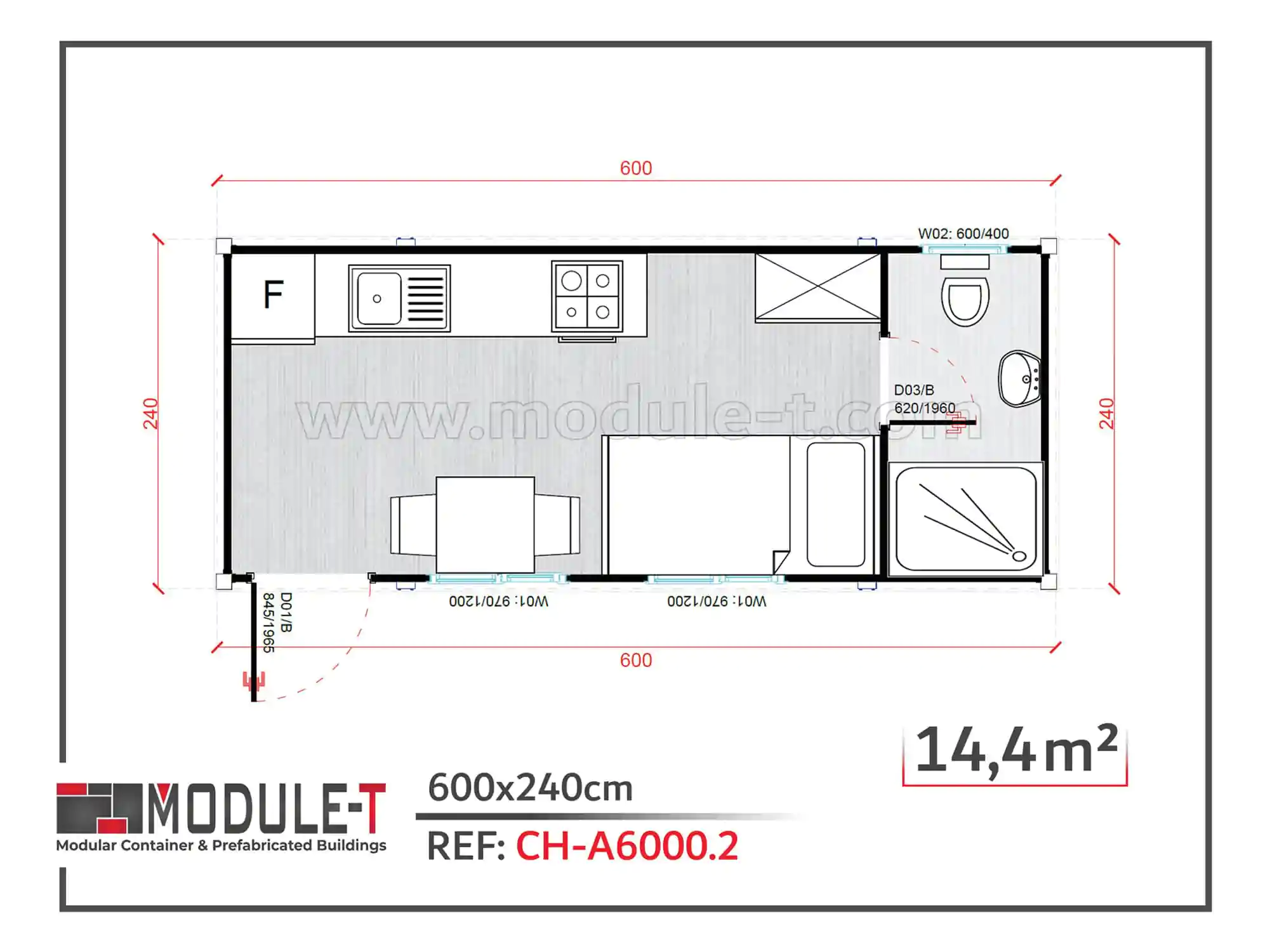
For fast, practical, and scalable site spaces, modular containers offer factory-produced building units that can be installed individually or combined into complete facilities. These units can support site offices, accommodation areas, sanitary units, canteens, locker rooms, guardhouses, and other operational needs. For companies managing construction sites, industrial areas, remote operations, or temporary infrastructure, modular container systems provide a controlled alternative to conventional on-site construction.
Key Takeaways
- Modular containers are factory-produced units used to create fast site offices, accommodation spaces, sanitary units, and support facilities.
- These units can work individually or be combined into larger modular container facilities.
- Common uses include offices, accommodation areas, sanitary units, canteens, locker rooms, and guardhouses.
- Cost depends on unit quantity, layout, destination, customization needs, and delivery conditions.
- Clear site details help Module-T prepare a more accurate modular container quote.
What Is a Modular Container?
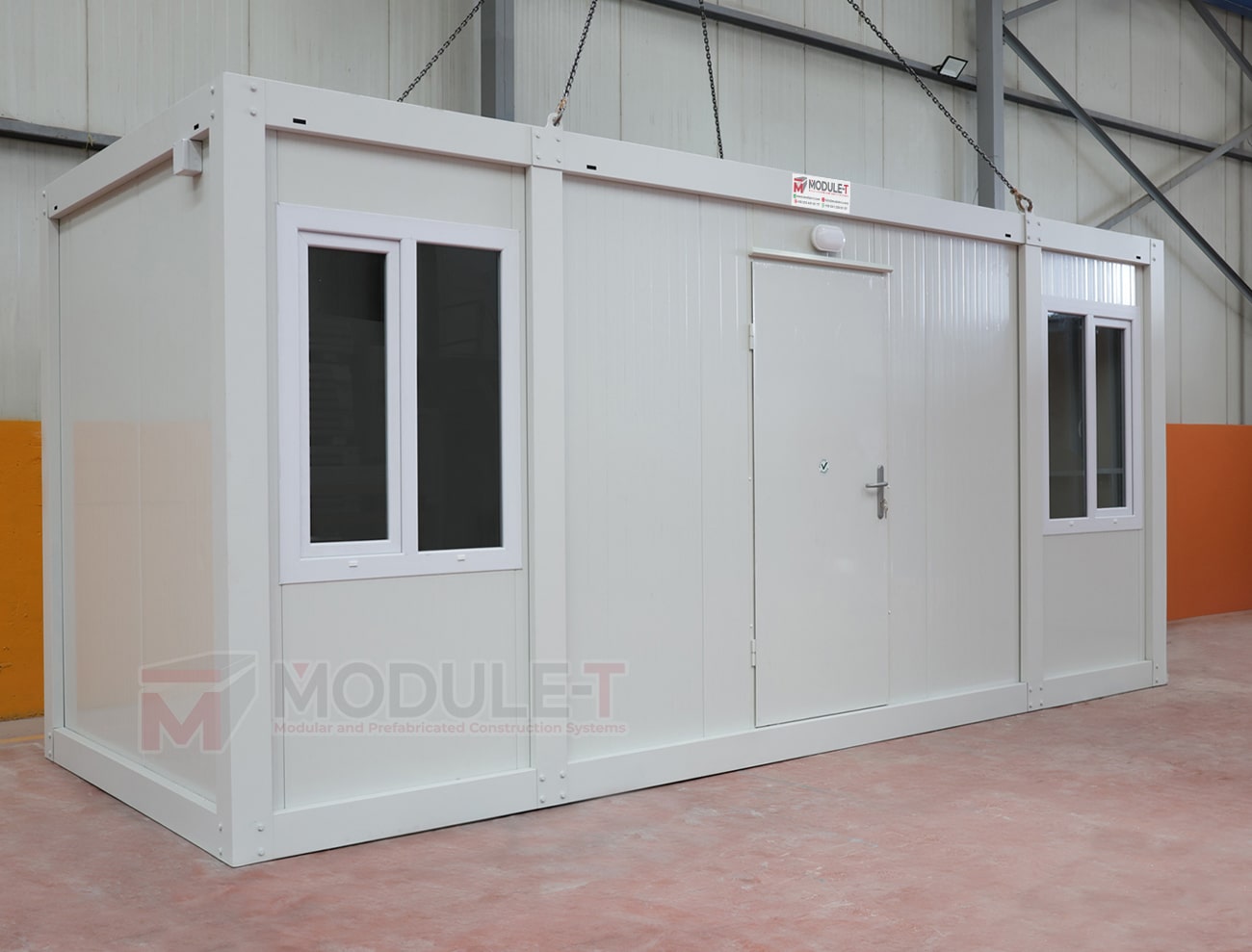
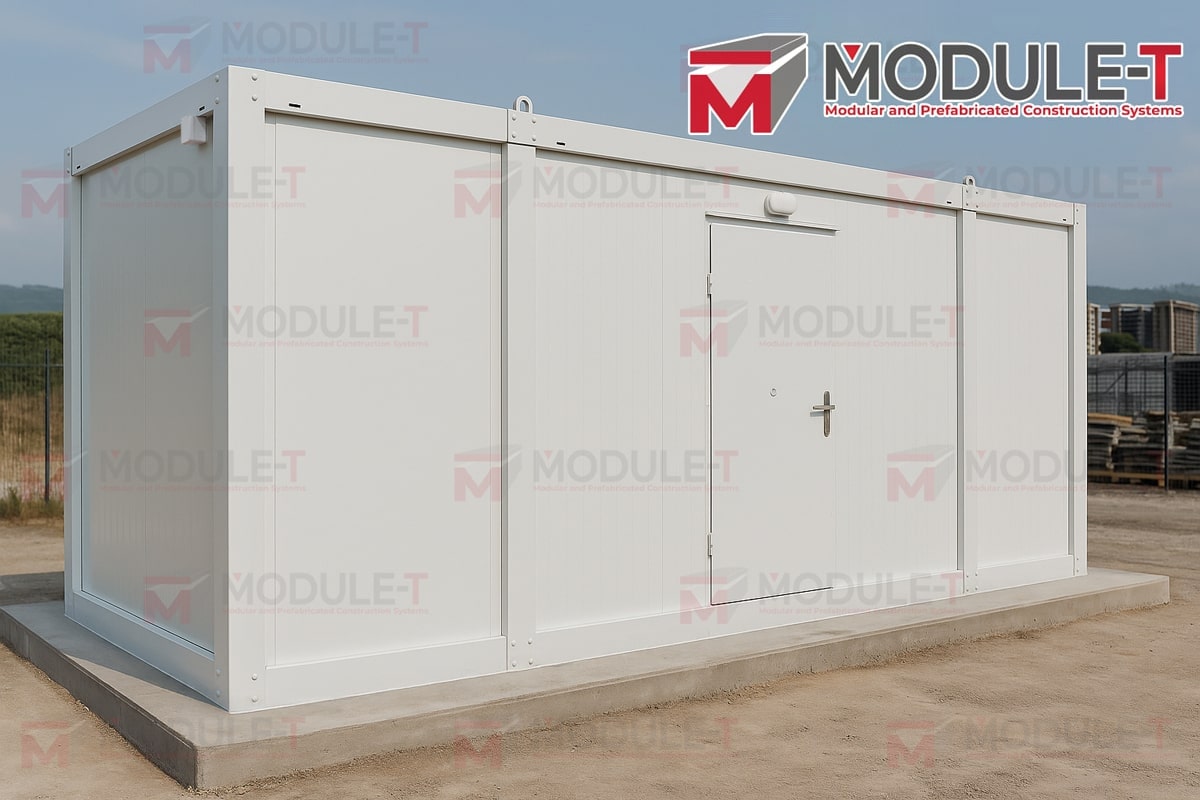
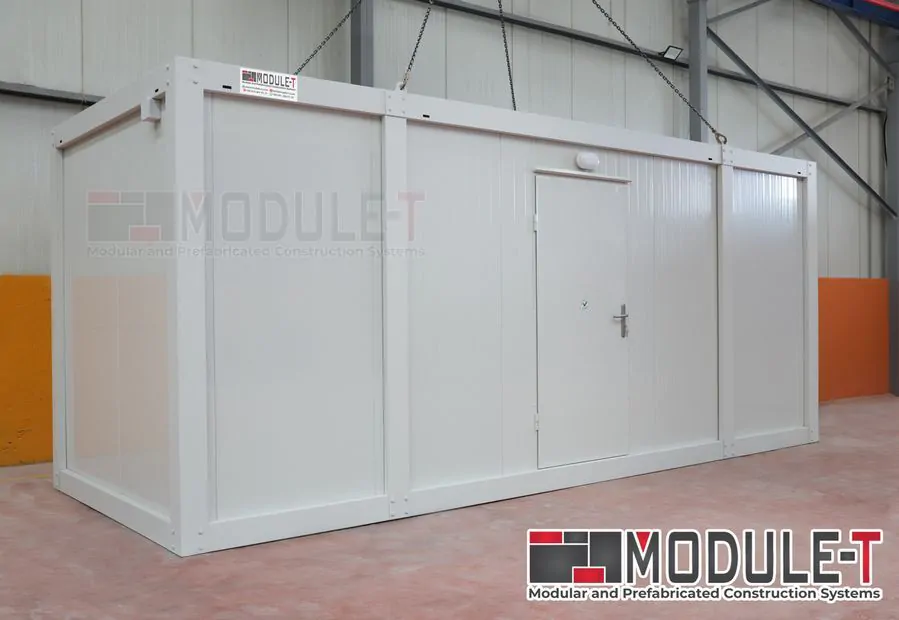
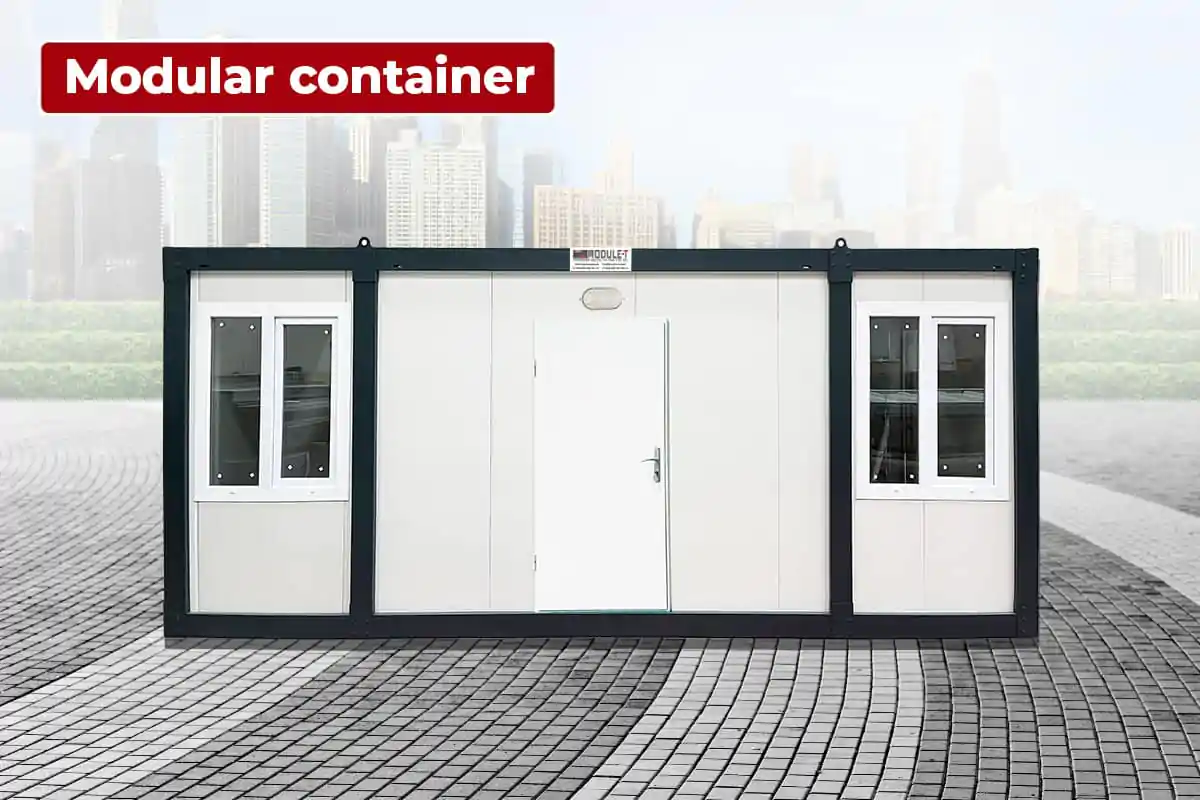
In practical terms, a modular container is a pre-engineered unit that provides functional building space using repeatable modules. Instead of starting every facility from the ground up, teams can use container-based modular buildings to organize offices, living areas, sanitary units, or support spaces in a shorter planning cycle.
A single unit can serve a compact function, but the main value of modular container systems appears when several units are planned together. This makes them suitable for sites that need clear space planning, controlled production, and faster on-site setup.
Compared with general temporary structures, these units are planned around real usage. The layout, interior organization, delivery method, and installation approach should be reviewed according to the site, climate, user capacity, and expected duration of use.
From Single Units to Complete Modular Container Facilities
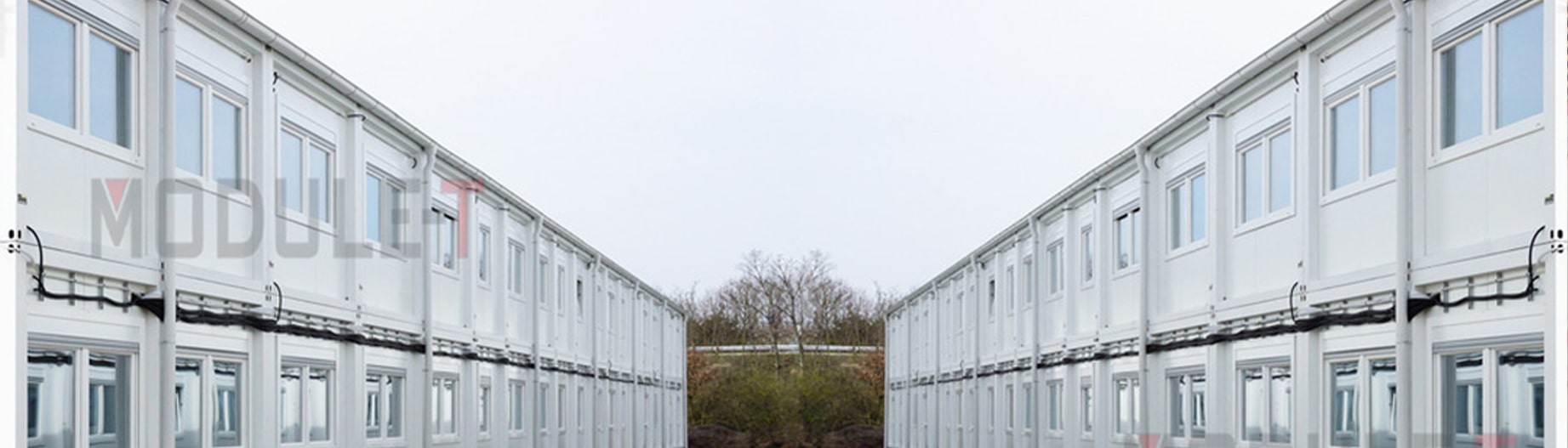
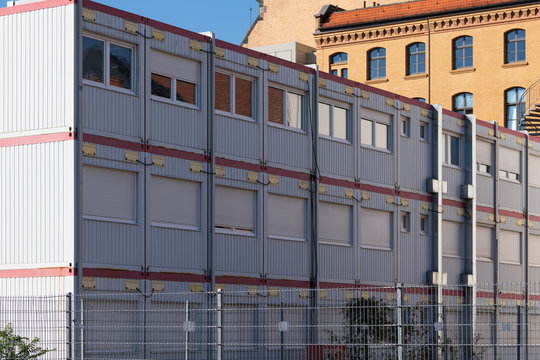
At the beginning, a site may only require one office, sanitary unit, or guardhouse. Larger locations often need a connected group of units that work together as a complete modular container facility. In this case, the planning stage should consider circulation, user capacity, daily routines, sanitary access, staff welfare areas, and the relationship between each unit type.
For construction, energy, industrial, and infrastructure work, essential spaces can be organized through modular container buildings before permanent site infrastructure is ready. Offices, accommodation units, canteens, locker rooms, WC containers, and operational support areas can be planned as part of the same facility brief, depending on the required scope.
This approach is especially useful when different teams share the same location. Administrative staff, technical teams, security personnel, and workers may need separate but connected spaces. A coordinated facility plan allows these functions to be organized within one layout.
Where Modular Container Units Are Used
In many site-based operations, usable space is needed before permanent buildings are ready. Modular container units are especially relevant when the location is temporary, remote, under development, or difficult to support with conventional construction.
Common uses include:
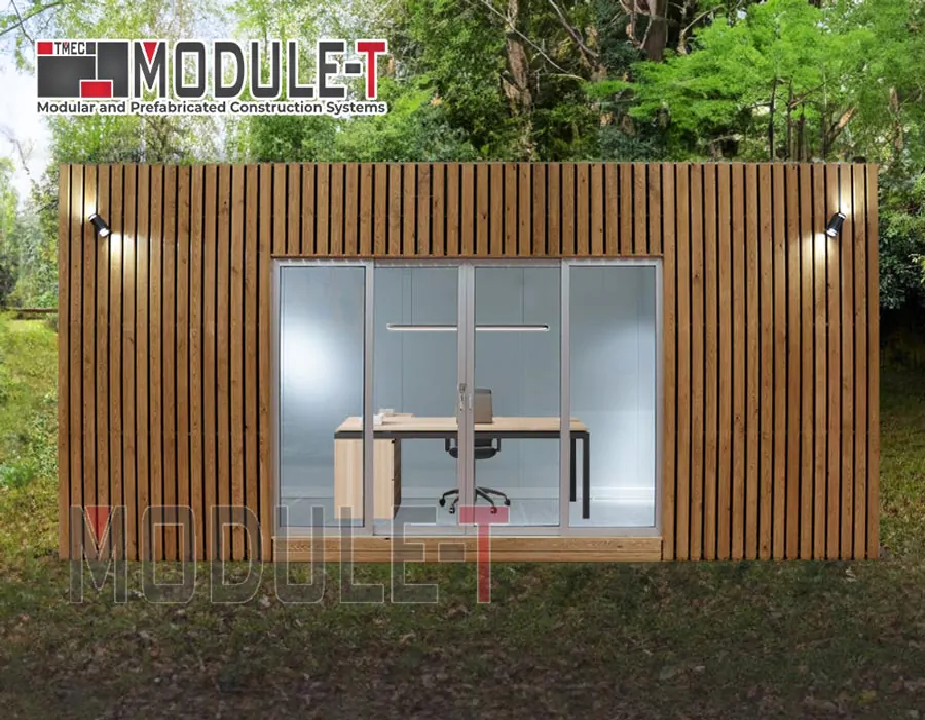
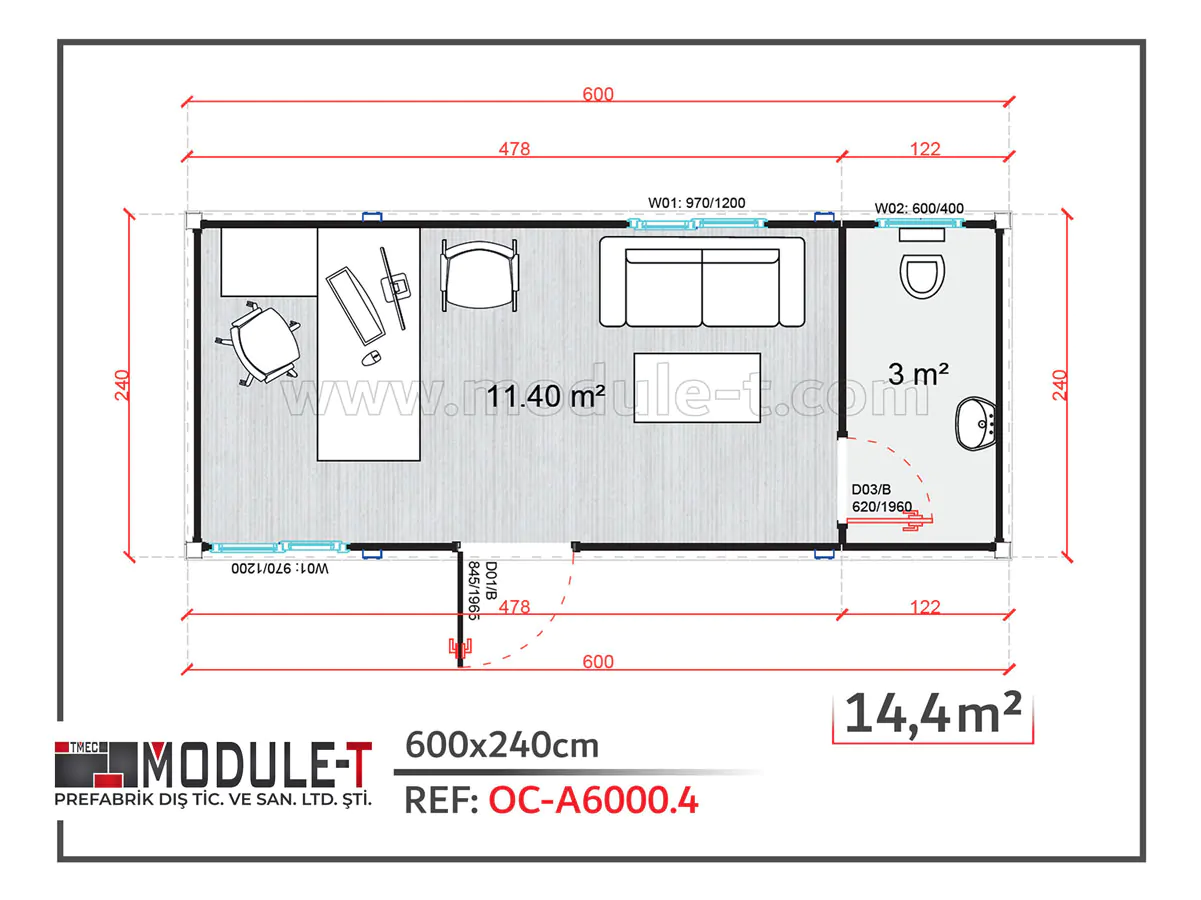
- Site offices and administrative areas: Project managers, engineers, supervisors, and administrative teams can use modular office units as compact workspaces, meeting areas, or larger administrative facilities. For workspace-specific planning, you can also review Module-T’s office container solutions.
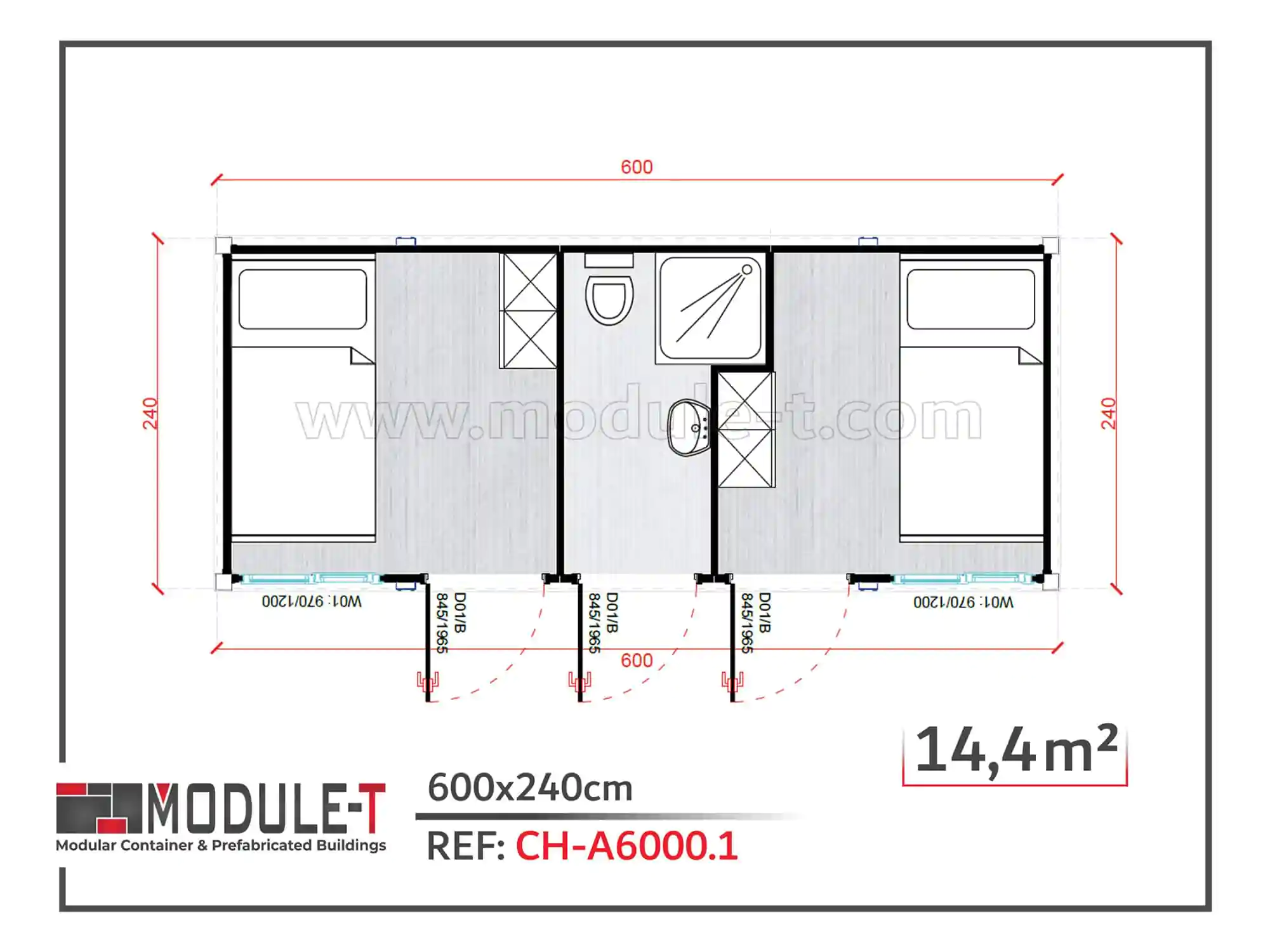
- Accommodation and workforce facilities: When personnel need to stay near the operation, accommodation or dormitory-style units can support worker housing, staff rest areas, or temporary residential needs. Layout planning should consider user capacity, privacy, sanitary access, and daily routines.
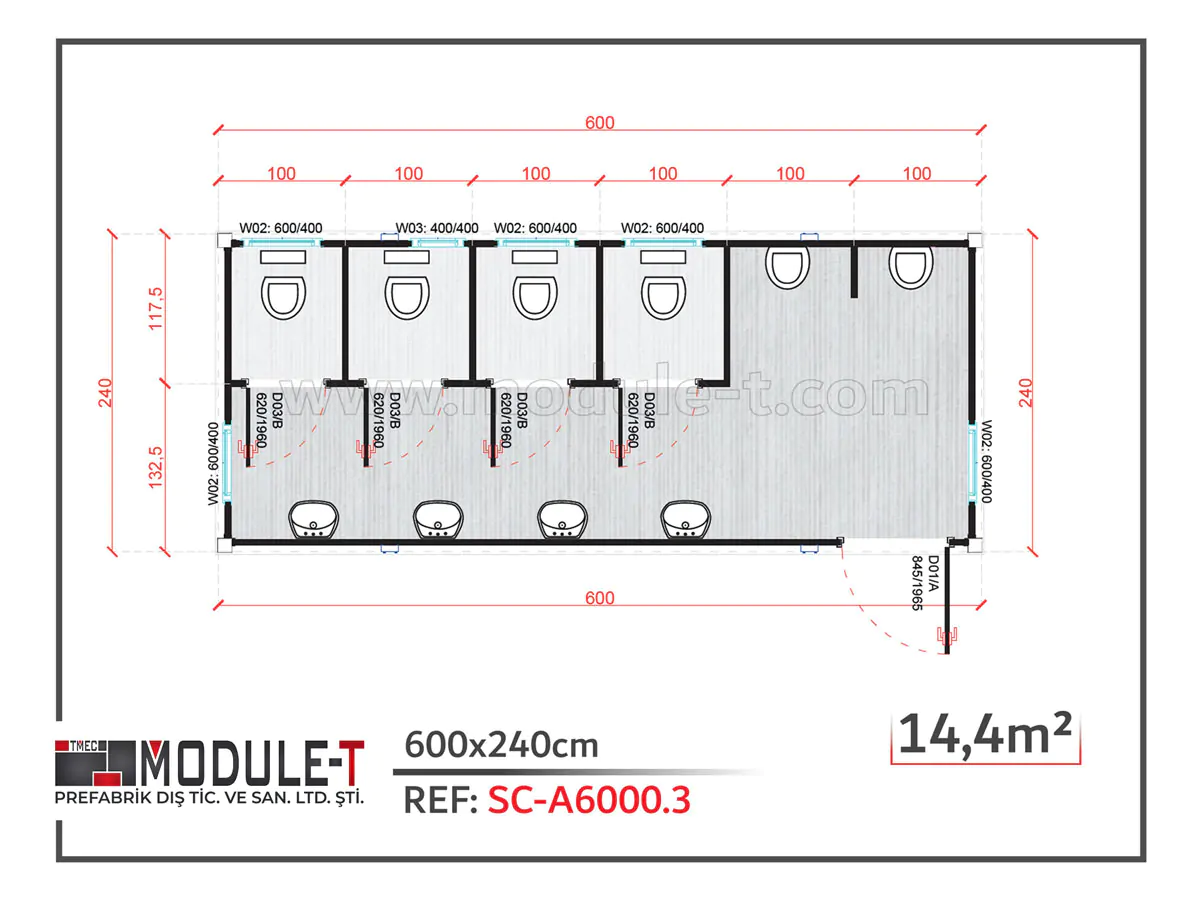
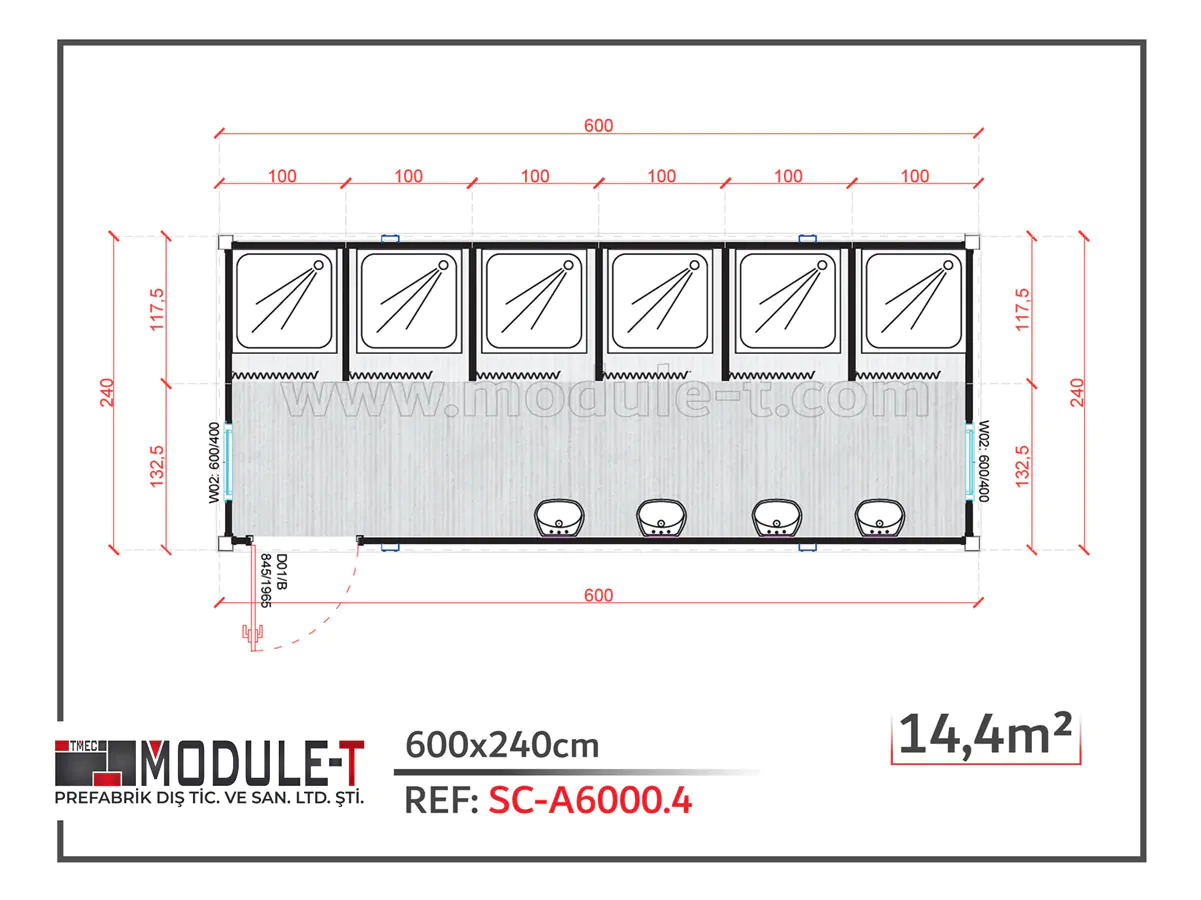
- Sanitary, WC, and hygiene units: Where permanent facilities are not available, sanitary containers, WC containers, and shower units can support daily hygiene needs on construction sites, industrial areas, camps, events, and remote field operations.
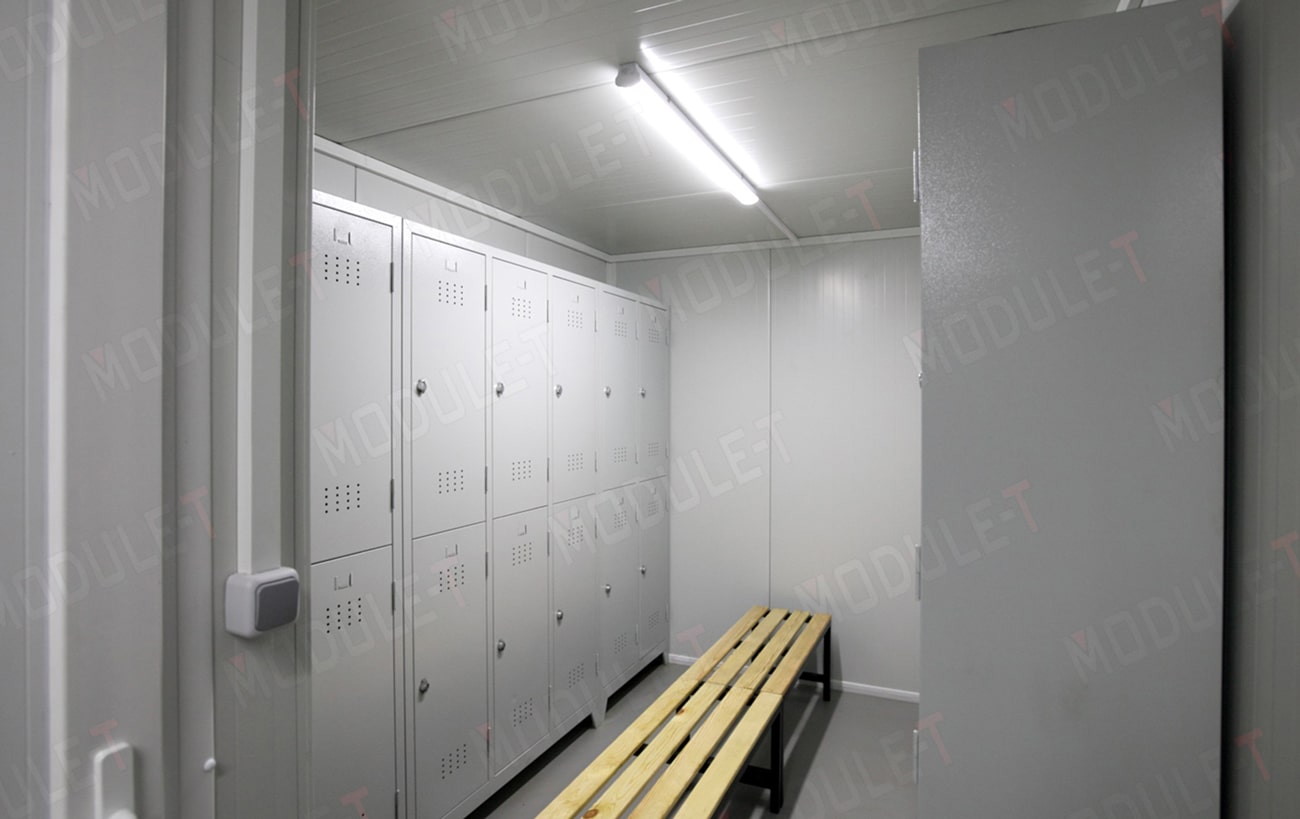
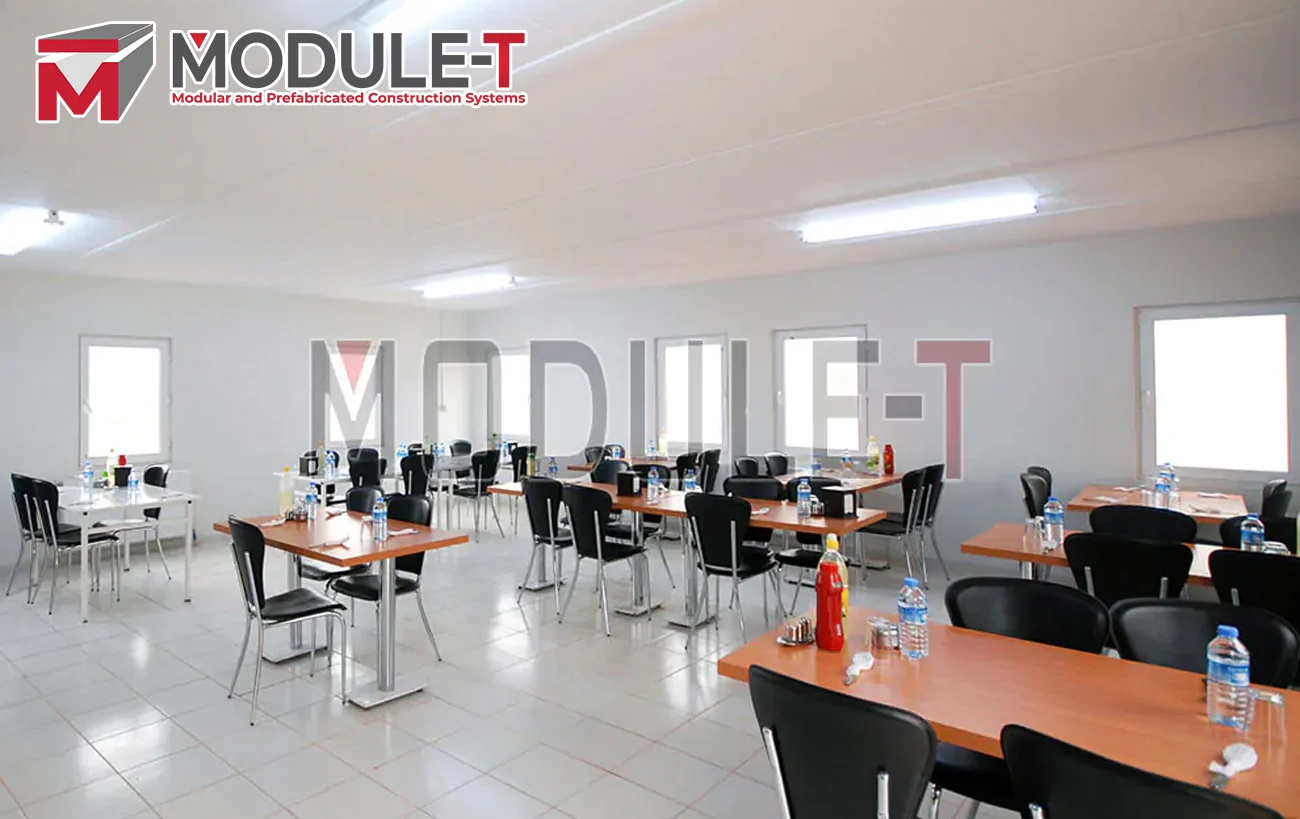
- Canteens, locker rooms, and support spaces: Daily site routines may require dining areas, locker rooms, and other support units for staff welfare, equipment storage, and workforce movement. These spaces are often planned together with offices, accommodation, and sanitary areas.
- Guardhouses, kiosks, and access points: Entrances, checkpoints, and small service areas can use compact modular units for access control, staff coordination, ticketing, or kiosk functions. The design should reflect visibility, user comfort, access flow, and working hours.
Why Companies Choose Modular Containers
For companies working under time, access, or capacity constraints, modular containers help manage space requirements with more control. Since the units are produced before arriving on site, the process can be easier to coordinate than a fully on-site build.
The main advantages include the following:
- Faster preparation for sites that need usable space before permanent buildings are ready
- Scalable layouts for small, medium and larger facilities
- Practical use for temporary or long-term operational needs
- Controlled production before site delivery
- Easier relocation planning when operating conditions change
- Layout planning for administrative, residential, sanitary and workforce-support functions
- Quote-based customization according to the required scope
The process works best when the required unit types, user capacity, destination details, and delivery expectations are clear before quotation.
Planning, Delivery and Cost Factors for Modular Containers
For international requirements, the destination country, site access, unit quantity, layout expectations, and delivery conditions should be clarified before quotation. A remote industrial area may require a different delivery and installation approach than a commercial site with easier access. For regional requirements, you can reach Module-T for more information.
A practical layout starts with the function of each unit. An office, accommodation block, sanitary unit, or canteen will have different space, circulation, and access needs. Before production, the buyer should confirm the intended use, number of users, room divisions, sanitary requirements, electrical needs where applicable, and any site-specific restrictions.
Several factors shape modular container cost, so a single fixed price is rarely useful at the first stage. Size, quantity, layout, destination, interior requirements, delivery method, and customization needs all influence the final quotation. A compact office unit and a complete site facility with accommodation, sanitary areas, canteens, and support spaces will not have the same pricing structure.
Some requirements may call for a more specific container solution. If your search is mainly focused on off-site-produced units, review Module-T’s prefab container solutions. For requirements that combine modular planning with prefabricated production logic, visit the modular prefabricated container options page.
Request a Modular Container Quote
Before requesting a quote, prepare the core details where possible:
- Required unit type or building function
- Estimated number of units
- Preferred layout or room organization
- Destination country and site location
- Expected usage period
- Number of users
- Sanitary, electrical, or interior requirements
- Delivery and installation expectations
- Any site-specific restrictions
Once these details are available, Module-T can evaluate the requirement and prepare a tailored proposal for the right solution. Share your unit type, quantity, layout, destination country, and customization needs to receive a project-based quotation for modular office containers, accommodation units, sanitary facilities, canteens, locker rooms, guardhouses, kiosks, or complete modular site facilities.
FAQ About Modular Containers
What is a modular container used for?
Site offices, accommodation areas, sanitary units, canteens, locker rooms, guardhouses, and support facilities are common uses for a modular container. It is especially useful for construction sites, industrial areas, remote operations, and temporary facilities where a faster building process is needed.
Can modular containers be combined into larger buildings?
Yes, several units can be combined into larger modular container buildings. A connected facility may include offices, accommodation, sanitary areas, dining spaces, and operational support units. The final configuration depends on user capacity, site conditions, and the required functions.
How are modular containers different from prefab containers?
Repeatable units that can work alone or as part of larger site buildings are the main focus of modular containers. Prefab containers are usually evaluated under an off-site production and delivery format. The right page depends on whether the buyer is searching for modular facility planning or a broader prefab container solution.
Can modular container units be customized?
Yes, these units can be planned according to the intended use, layout, quantity, and site requirements. Customization may include room divisions, interior organization, and function-specific planning. Exact options should be confirmed during the quotation stage, as technical details depend on the selected unit type and scope.
Are modular containers suitable for long-term use?
Yes, these units can be planned for both temporary and long-term use. Their suitability depends on the location, expected usage period, technical specifications, maintenance plan, and operating conditions. For longer-term use, the design should be reviewed carefully before production.
What affects the price of a modular container?
Size, quantity, layout, destination, customization needs, interior requirements, and delivery conditions affect the price of a modular container. A single office unit and a complete site facility have different cost structures. A project-based quotation gives a more accurate result than a general price estimate.
What information is needed to request a modular container quote?
To request a modular container quote, share the required unit type, quantity, layout expectations, destination country, expected use, user capacity, and any specific technical needs. This information helps the manufacturer evaluate the requirement correctly and prepare a more accurate proposal.