Prefabricated Medical Clinic Buildings
Our sales teams and call center are ready to help you.
Module-T | Prefabricated Medical Clinic Buildings
Type the product you want to search
Module-T | Prefabricated Medical Clinic Buildings

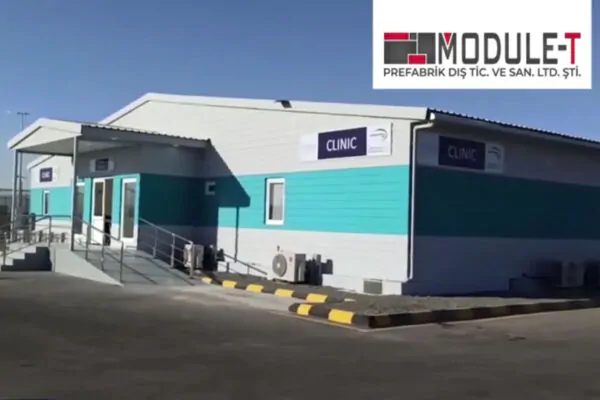
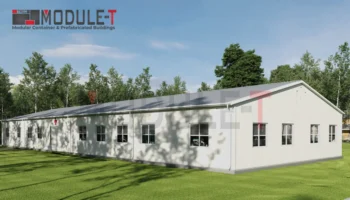
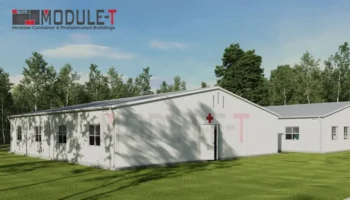
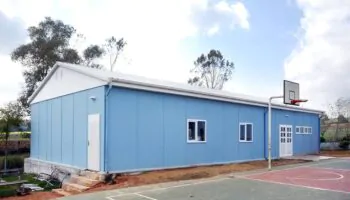
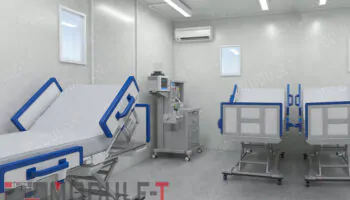
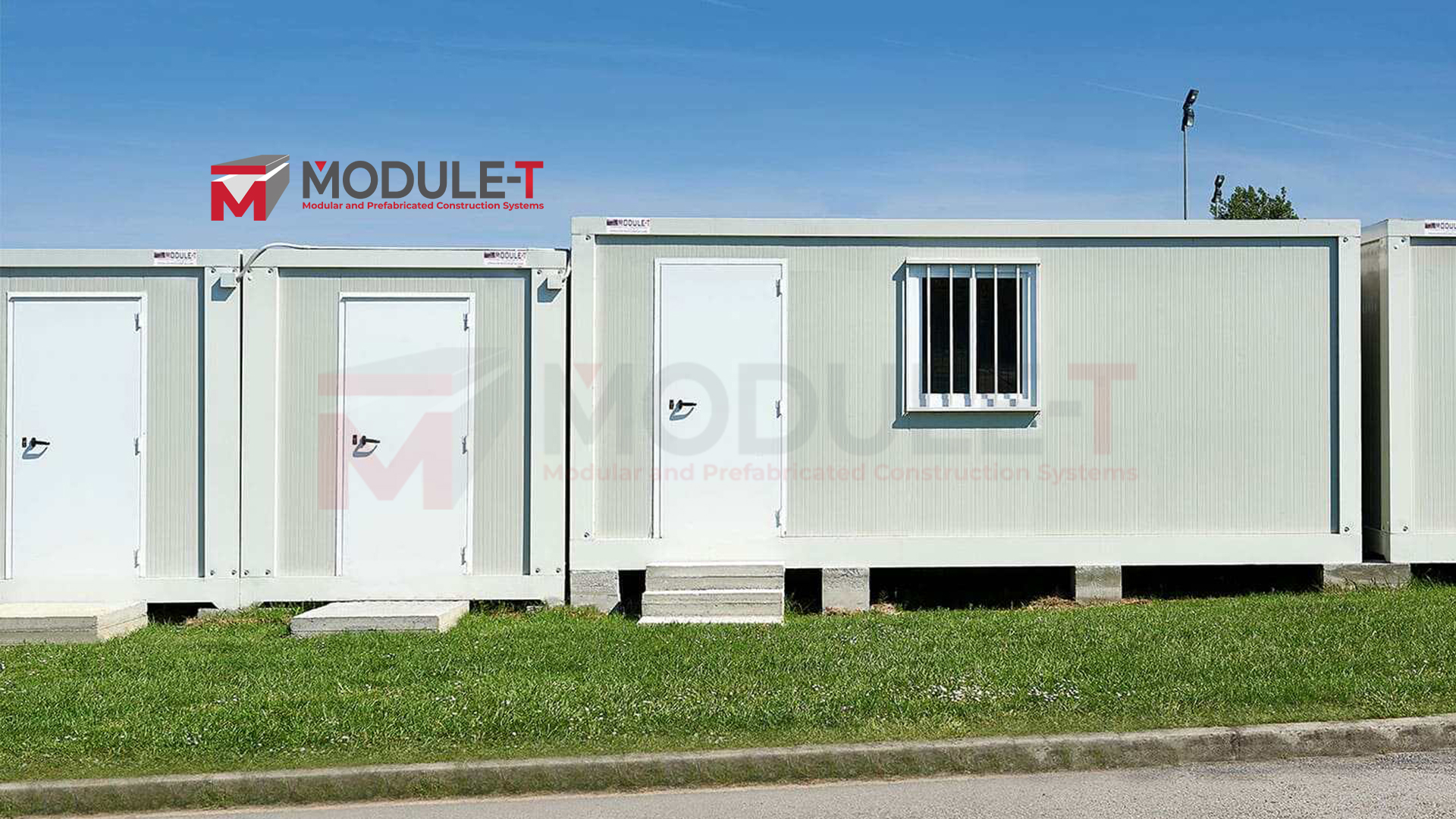
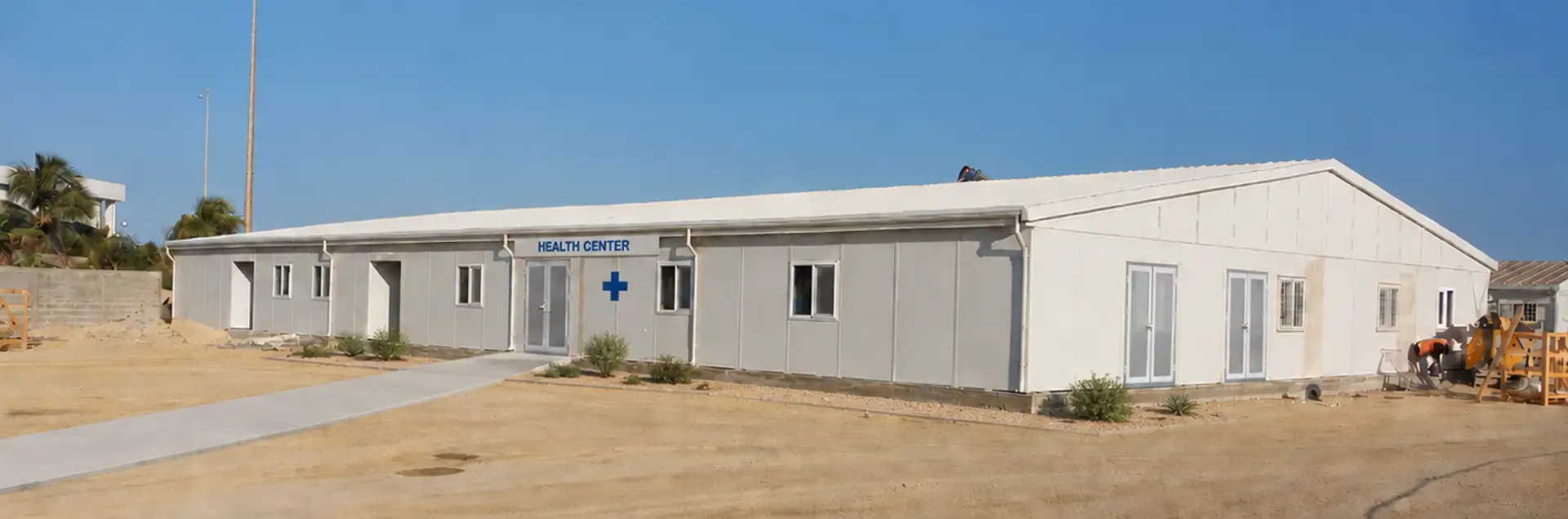
Module-T manufactures prefabricated medical clinics for consultation, treatment, infirmary, and worksite healthcare needs. We prepare the buildings at our production facilities in Turkey and deliver them for assembly at the destination. At the same time, room planning, insulation, and support areas are shaped by how the clinic will operate.

A modular clinic is intended for a focused medical function rather than the wider program of a multi-department hospital. Where a project calls for patient wards, several departments, or larger healthcare infrastructure, a broader hospital solution is more appropriate.

Module-T | Prefabricated Medical Clinic Buildings

How Prefabricated Clinics Move From Production to Site

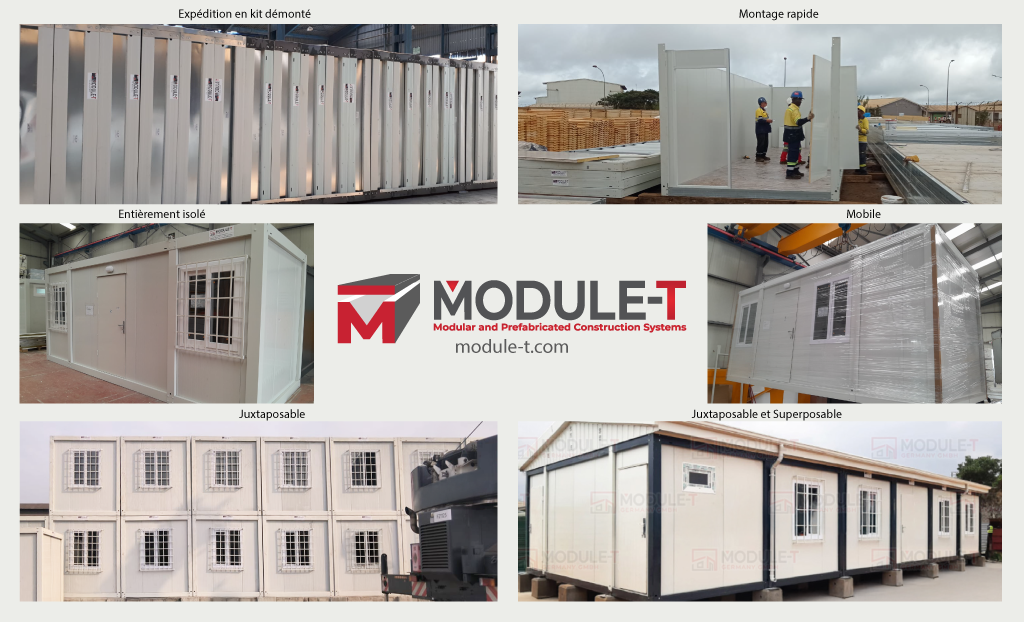
Much of the work on a prefabricated clinic takes place before the building reaches the installation site. Structural elements are pre-welded, painted, and prepared for assembly, which reduces the amount of fabrication required after delivery.

Consultation or treatment areas can be combined with sanitary facilities, staff rooms, and other support spaces within the same building. Local teams can complete the assembly, with Module-T technical support available when additional guidance is required.

Sections

Prefabricated Medical Clinic vs. Field Hospital

Prefabricated Medical Clinic vs. Field Hospital

The distinction between a clinic and a field hospital is mainly one of scope. A modular medical clinic usually serves consultation, treatment, and infirmary, or worksite, healthcare functions within a relatively compact room program.

Hospital projects can require wards, laboratories, diagnostic areas, several departments, and connected building sections. Those broader applications are covered within our field hospital and modular healthcare building solutions, while this page remains focused on clinic-scale facilities.

Structure, Insulation, and Interior Build-Up

The core of the building is a galvanized steel framework combined with insulated wall, roof, and floor systems. In prefabricated clinic buildings, these elements are prepared before delivery so the structural shell and interior build-up can be assembled efficiently on site.

Wall insulation options include rock wool between 50 and 200 mm, polyurethane, and polystyrene foam. Floors and ceilings use polyurethane insulation within the published clinic specification, while vinyl-coated fiber cement panels form part of the floor system and can be finished with parquet or ceramic.

Aluminum-framed doors and windows are also available within the building system. Together, these components create the main construction package used across Module-T clinic applications.


Sanitary and Staff Areas

Clinical space is only one part of the building. A prefabricated clinic can also include sanitary facilities and locker-room areas for staff, helping keep support functions within the same facility.

Where a separate hygiene block is preferable, sanitary and WC container solutions can add toilet, shower, and washbasin capacity next to the clinic. This is particularly relevant on worksites and remote sites where medical, accommodation, and staff facilities operate together.

Rooms and Support Areas in a Modular Medical Clinic

There is no single interior plan that suits every clinic. A consultation facility, an infirmary, and a worksite treatment unit all require different combinations of rooms, circulation, and support areas.

Depending on the intended function, the building may include:

  • Consultation or treatment rooms
  • Infirmary spaces
  • Sanitary facilities
  • Staff areas
  • Locker rooms
  • Reception or support spaces

The room arrangement reflects the size of the facility and the way it will be used. Information about medical equipment that affects room dimensions or building connections should also be considered before the layout is finalized.

Prefab Clinics for Worksites and Remote Locations

A prefab clinic is particularly relevant when medical support needs to sit close to workers, accommodation areas, or daily operations. Common examples include standalone clinics, infirmaries, emergency treatment spaces, and temporary medical units.

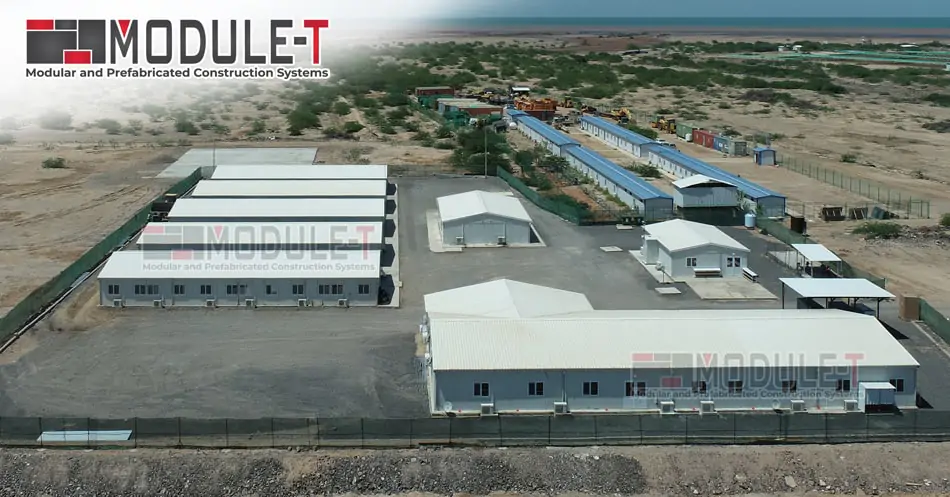
On remote industrial or construction sites, the clinic can form part of a wider prefabricated worker camp alongside accommodation and staff facilities. In that setting, the clinic provides a defined medical function without taking on the scale or complexity of a hospital.

From Factory Preparation to Modular Clinic Assembly

Before shipment, the structural elements are prepared at Module-T production facilities in Turkey. Pre-welding and painting take place before delivery, leaving local teams to focus primarily on assembling the building once it reaches the site. This production model is one of the practical characteristics of a modular clinic, particularly for international and remote projects. Module-T technical support can also be provided during assembly when additional guidance is needed.
Prefabricated Medical Clinic Buildings

What Shapes the Price of a Prefabricated Medical Clinic?

Pricing is based on the actual building rather than a single standard clinic model. The size of the facility, room plan, support spaces, and technical needs all influence the final scope of a prefabricated medical clinic.

Building Size and Room Count

More floor area and a greater number of rooms increase the amount of structural, wall, and interior material required. A small consultation unit will therefore have a different scope from a clinic with several treatment rooms, sanitary areas, and staff spaces.

Interior Layout and Customization

The way rooms are divided also affects the building package. Adding sanitary spaces, locker rooms, reception areas, or other support functions changes both the internal plan and the amount of finishing work required.

Medical Equipment Requirements

Some medical equipment can affect room dimensions, electrical points, or other building connections. Sharing these details early helps ensure that the clinic layout reflects the spaces and interfaces actually needed.

Destination and Local Building Requirements

Local codes, permits, and site conditions can influence the final specification. They may also affect how the building is delivered, assembled, and prepared for use at the destination. Where the wider healthcare project also involves clinical circulation, ventilation, or utility planning, our healthcare project planning page covers those sector-level considerations in more detail.

Prefabricated Medical Clinic Buildings

FAQ About Prefabricated Medical Clinic

What can be included in a prefabricated medical clinic?

What insulation options are available for prefabricated medical clinics?

What flooring is used in prefabricated clinic buildings?

How are prefabricated clinic components prepared for installation?

Can prefabricated clinics include sanitary and staff areas?

How is a prefabricated medical clinic different from a field hospital?

Prefabricated Medical Clinic Buildings

Request a Quote

To receive a quote quickly, please fill in the customer request form. Our sales representatives will contact you as soon as possible.

    File Upload
    You can upload eg. pdf, docx, excel (Maximum file size: 25MB)
    Request a Quote Get in touch with our expert
    Request a Quote

    To receive a quote quickly, please fill in the customer request form. Our sales representatives will contact you as soon as possible.

      File Upload
      You can upload eg. pdf, docx, excel (Maximum file size: 25MB)