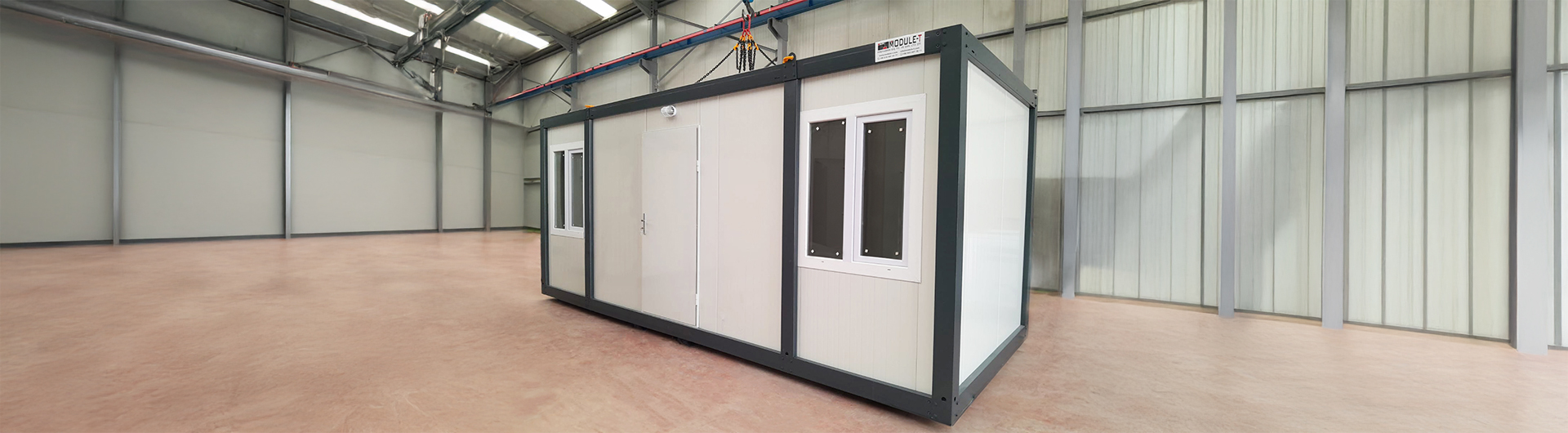
Container House in Costa Rica for Project Accommodation
A container house in Costa Rica may support workforce accommodation, remote operational facilities, and temporary project lodging. Module-T develops project-based prefabricated accommodation proposals rather than fixed retail home packages, with each request reviewed based on occupancy, location, site access, delivery conditions, and the agreed technical scope.
The components are manufactured in Türkiye and prepared for international transport and on-site assembly in Costa Rica. This model can suit construction, infrastructure, industrial and remote-site projects that require coordinated production and a defined installation process.
Planning Accommodation Units for Costa Rican Project Sites
Accommodation planning varies considerably across Costa Rica’s urban, coastal, mountainous, and remote regions. A site near an established city may have easier road access and utility connections, while a remote or sloped location may require more detailed delivery and assembly planning.
The initial project brief should define:
- Intended use
- Number of occupants
- Unit quantity
- Preferred dimensions
- Internal room arrangement
- Sanitary and utility needs
- Exact destination
- Site access and unloading conditions
- Installation responsibilities
- Target delivery schedule
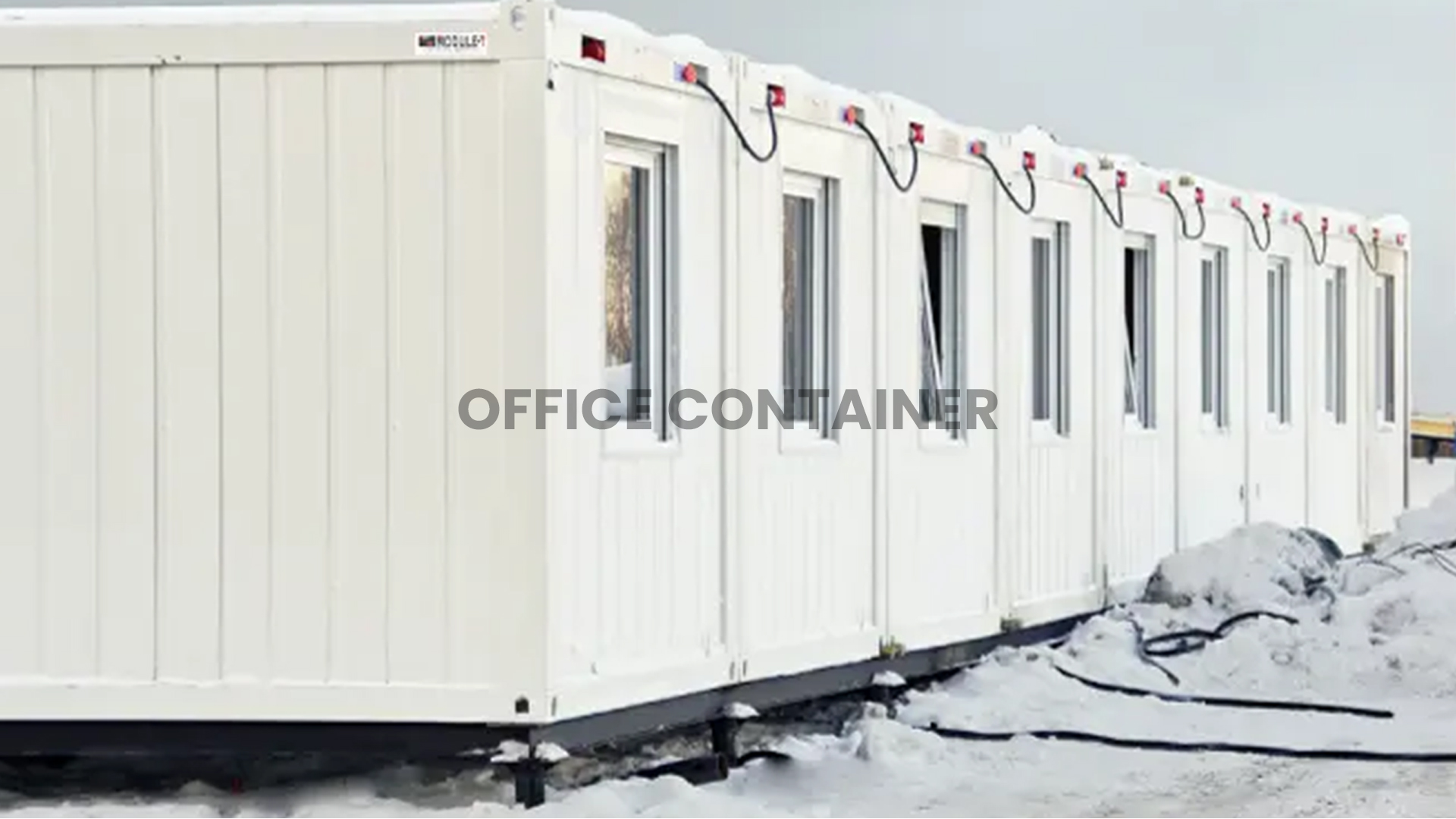
The technical team uses this information to assess the unit configuration, transport scope, and assembly requirements. When a project combines living areas with administrative spaces, a separate office container for sale can also be considered within the overall site plan.
How Costa Rica’s Terrain and Climate Affect Project Planning
Costa Rica includes tropical lowlands, coastal zones, mountainous regions, and areas exposed to high seasonal or year-round rainfall. Conditions can vary between the Pacific coast, Caribbean coast, Central Valley, and higher-altitude areas.
Rainfall, humidity, wind exposure, seismic activity, flood risk, ground conditions and road access may influence the building specification, foundation design, and installation method. A general country-level climate description is therefore not enough for technical planning.
For coastal projects, the distance from the shoreline and exposure to humid, salt-laden air should be shared with the technical team. Sloping sites and high-rainfall areas may also require closer attention to the following:
- Surface water drainage
- Flood exposure
- Soil condition
- Slope stability
- Foundation preparation
- Equipment access
A qualified Costa Rican engineer should confirm the foundation and local structural requirements before site installation begins.
Accommodation Needs Across Construction and Remote Sites
Container house units can be planned for projects that require organized accommodation within a controlled schedule. Typical applications include construction workforce lodging, infrastructure project camps, supervisor quarters, remote operational sites, and multi-unit accommodation compounds.
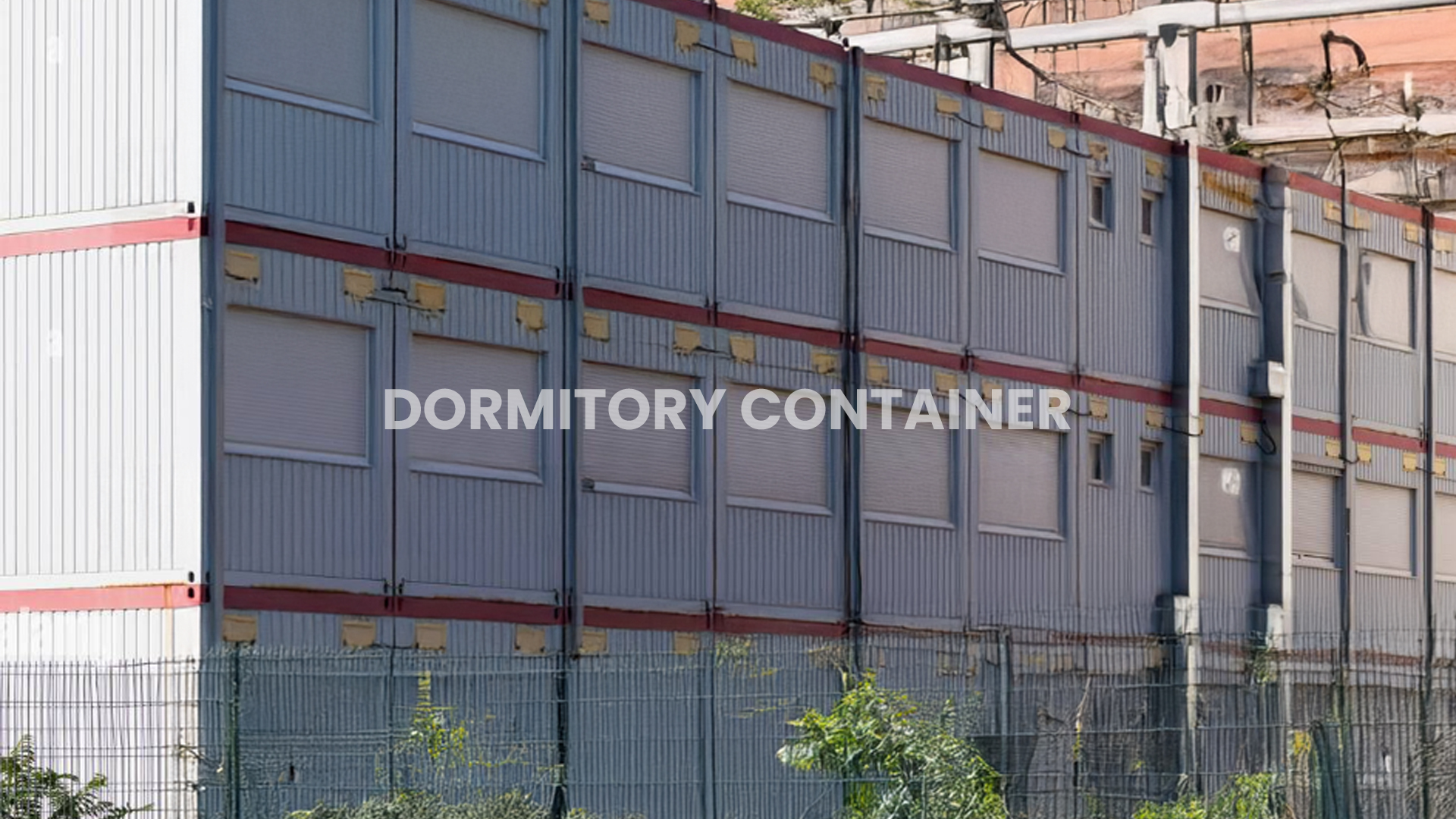
For projects requiring shared sleeping areas, the configuration can be assessed alongside dedicated dormitory container options designed around workforce capacity and site routines. Accommodation compounds may also combine living units with offices, sanitary areas, dining spaces, or other operational facilities where these functions form part of the confirmed project scope.
Available Container House Sizes
Module-T can evaluate container house projects in Costa Rica using several common configurations, including:
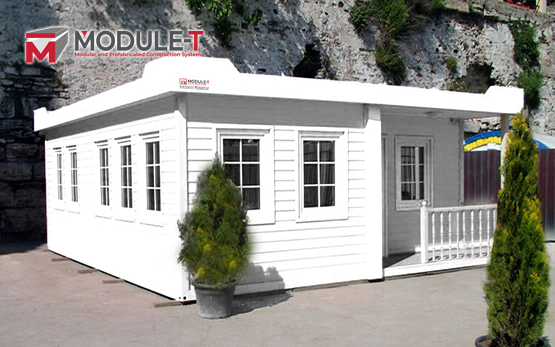
- 2 x 20 ft units, approximately 30 m²
- 3 x 20 ft units, approximately 45 m²
- 2 x 40 ft units, approximately 80 m²
The final layout, room arrangement and occupancy capacity depend on the intended use, sanitary requirements and technical review.
From Production in Türkiye to Assembly in Costa Rica
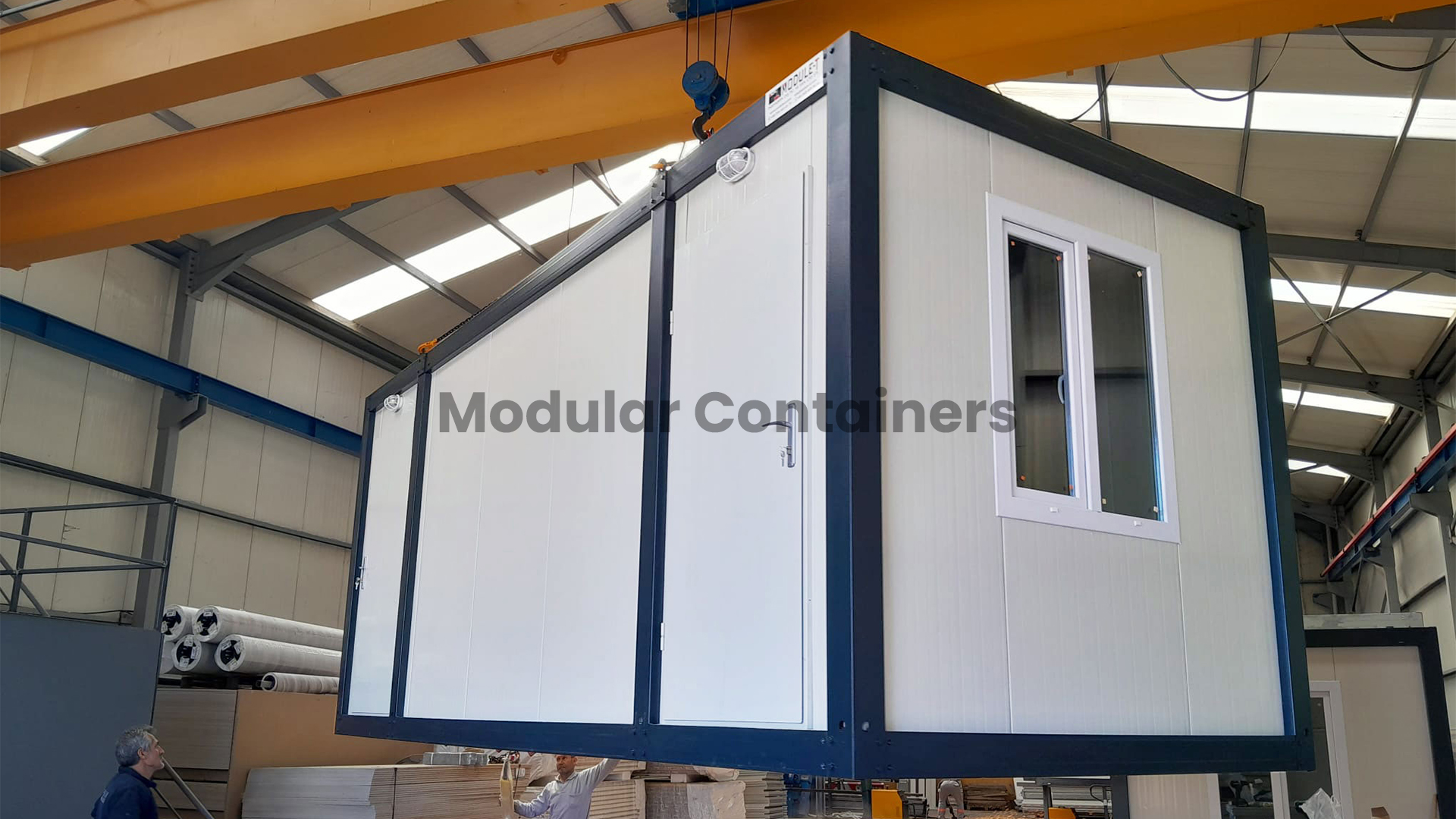
The components are manufactured in Türkiye and packed for international transport to the Costa Rican project site. This approach can make delivery more manageable when several units are required or when transporting completed buildings would create logistical limitations.
Before dispatch, the buyer should confirm:
- Vehicle access to the site
- A suitable unloading area
- Adequate assembly space
- Prepared and approved foundations
- Utility connection points
- Local lifting equipment where necessary
- Qualified assembly labour
- A clear installation schedule
The installation scope should be agreed before production. Assembly may be handled by the buyer, a local contractor or with technical support included in the commercial agreement. Buyers new to the process can learn the main steps of modular container installation, while preparing local labour, equipment and site access.
Local Approvals and Engineering Coordination
Prefabricated construction does not automatically remove the need for local permits or engineering approvals in Costa Rica. Requirements may vary by municipality, land use, project size, building purpose, and site location.
Unless the commercial agreement states otherwise, the buyer is responsible for confirming:
- Municipal permits
- Land-use requirements
- Local structural approval
- Foundation engineering
- Utility applications
- Site-specific compliance
These matters should be reviewed with local architects, engineers and the relevant authorities before production or site work begins. Module-T supplies the agreed prefabricated components, while local professionals confirm how the project must meet destination-specific planning and engineering requirements.
Details Needed to Prepare the Proposal
A clear project brief allows the technical and commercial teams to assess the request without relying on assumptions.
The enquiry should include:
- Project location in Costa Rica
- Intended use
- Number of units
- Expected occupancy
- Preferred dimensions
- Internal layout
- Sanitary and utility needs
- Coastal or high-humidity exposure
- Ground and drainage information
- Site access conditions
- Required delivery date
- Installation expectations
- Available drawings or site plans
For remote or restricted-access sites, photographs, road details and information about available local equipment can also support planning. Buyers comparing different living-space configurations can review the broader accommodation container range before submitting room, capacity and sanitary requirements.
FAQ About Container House in Costa Rica
Can Module-T deliver container house units to Costa Rica?
Yes. Module-T can assess container house projects for delivery to Costa Rica. The available production, transport, and assembly scope depends on the number of units, technical details, exact destination, and agreed responsibilities. A detailed project brief is required before the team can confirm suitable options and prepare a quotation.
Are container house units suitable for Costa Rica’s climate?
Suitability depends on the exact project location and technical specification. Costa Rica includes humid coastal areas, high-rainfall zones, tropical lowlands, and cooler elevated regions. Rain, humidity, wind, ground conditions, and seismic factors should be reviewed before the building and foundation requirements are finalized.
Should seismic conditions be considered in Costa Rica?
Yes. Seismic conditions should form part of the structural and foundation planning process. The final requirements may vary by location, soil condition, building size, and local regulation. A qualified local engineer should confirm the applicable design and foundation criteria before installation begins.
Can the layout be adapted for workforce accommodation?
Layouts can be planned around occupancy, privacy needs and operational use. Sleeping areas, supervisor rooms, sanitary spaces, and shared facilities may be included within the available dimensions, subject to technical review. The final arrangement must remain compatible with the selected prefabricated building system.
What site information is needed before delivery?
The buyer should provide information about access roads, unloading space, ground conditions, drainage, utility connections and available installation equipment. Coastal, mountainous or remote locations may require additional site details. This information helps define the transport and assembly approach before dispatch.
Are local permits required for a container house in Costa Rica?
Local permits or engineering approvals may be required depending on the municipality, land use, project type, and building purpose. Prefabricated buildings should not be assumed to be exempt. The buyer should confirm the applicable process with local professionals and the relevant Costa Rican authorities before production begins.