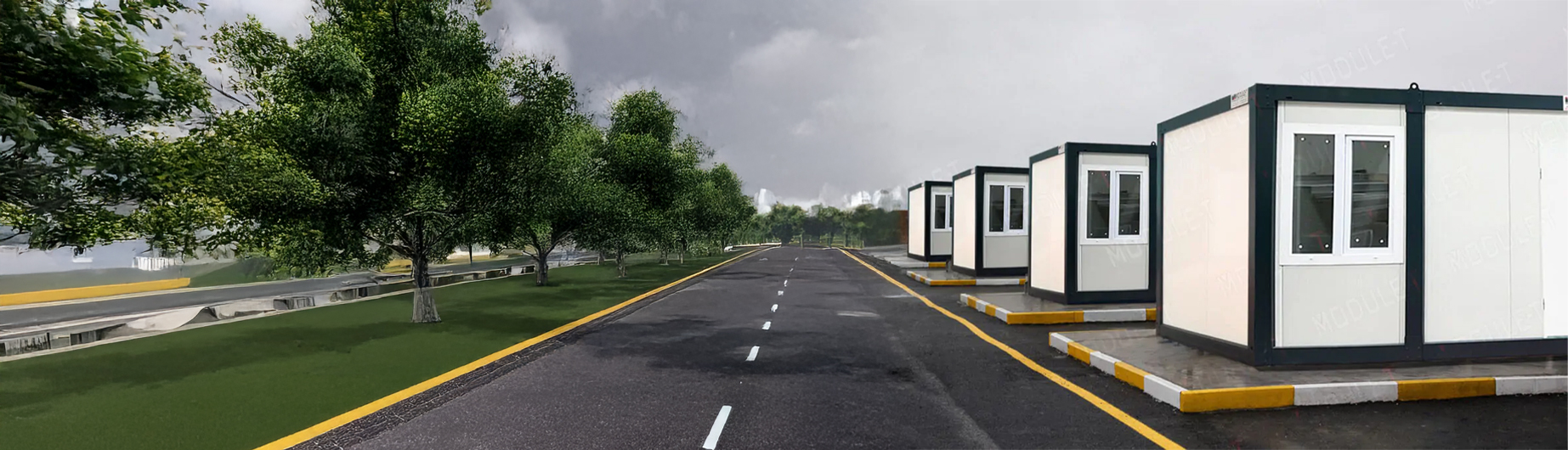
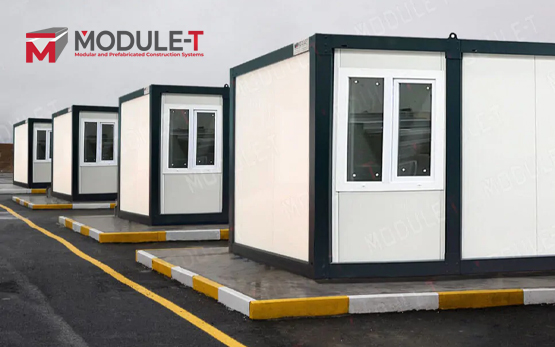
Planning accommodation in Puerto Rico is not always straightforward. Some sites are close to the coast, some are in rural or mountainous areas, and some projects need usable space faster than conventional construction can provide. For residential, staff, or site-based needs, container homes in Puerto Rico offer a practical way to plan accommodation around the location, number of users, delivery route, and installation conditions.
For buyers comparing real project options, the main question is not only what the unit costs. It is also how the unit will reach the site, how much preparation the land needs, how the layout will work in daily use, and what should be considered for Puerto Rico’s climate.
Planning Housing Around Puerto Rico’s Terrain and Climate
In Puerto Rico, accommodation planning often starts with a site problem. The project may be near the coast, far from an urban area, located on sloped land, or exposed to heavy rain and humidity. In these cases, buyers usually need more than a standard unit price. They need to understand whether the accommodation can be delivered, assembled, and used comfortably in that location.
Module-T produces prefabricated container-based accommodation units for international projects. For a Puerto Rico request, the first details to review are the destination, access roads, unloading area, climate exposure, intended use, and number of people expected to use the space.
For broader product details, buyers can review Module-T’s container home range before requesting a Puerto Rico-specific quotation.
Before the Unit Reaches the Site
A large part of the work is completed before the unit arrives in Puerto Rico. This can make planning easier for projects where weather, material storage, access, or local labour availability may create delays.
After delivery, the site process usually focuses on foundation preparation, positioning, assembly, utility connections, and final checks. This does not remove every site requirement, but it can reduce the amount of work that needs to be handled directly on location.
For buyers who want to understand the assembly stage in more detail, Module-T’s guide on how to install a modular container gives useful context for what usually happens after delivery.
When Container-Based Accommodation Is a Practical Fit
A container-based housing project in Puerto Rico may be relevant when a project needs living space without starting a full conventional build from scratch. The need may come from a construction site, a private residential project, a commercial facility, or a remote operation where workers need to stay close to the site.
Common project needs may include:
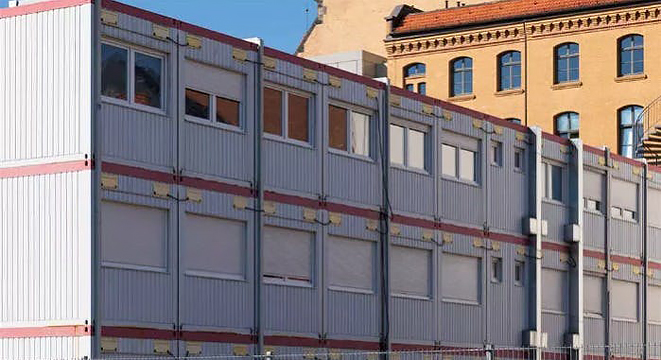
- Temporary accommodation near construction or infrastructure sites
- Staff accommodation for project-based operations
- Residential accommodation for private or commercial use
- Living space for remote, rural, coastal, or mountainous locations
- Practical accommodation where conventional construction is difficult to manage
For workforce or site-based living requirements, Module-T’s accommodation container solutions can also be reviewed as a related option. The final decision should still be based on the project location, occupancy period, sanitary needs, available land, delivery route, and installation conditions.
Matching the Interior to Daily Use
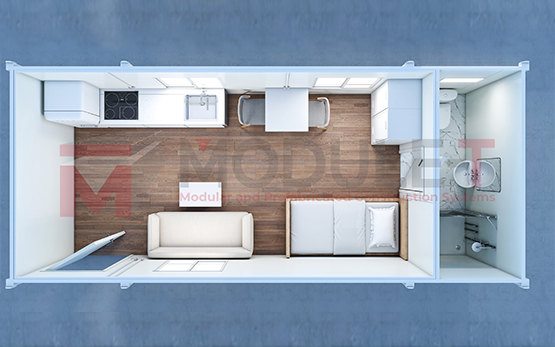
The layout should start with daily use, not only square metres. A small unit may work for short-term staff accommodation or a limited installation area. A larger layout may need separate sleeping areas, a bathroom, a kitchenette, storage, or a more comfortable living area.
Final layout options should be confirmed according to current product availability, transport requirements, site limitations, and the number of people expected to use the space. This prevents the project from being planned around a layout that may not match production, delivery, or installation conditions.
For Smaller Teams or Short-Term Stays
Compact units can work well for smaller teams, individual accommodation, short-term housing, or limited installation areas. Depending on the selected layout, the unit may include a sleeping area, sanitary space, kitchenette, and basic living area.
For Shared Staff or Residential Use
Larger layouts may be more suitable for staff accommodation, shared living space, residential use, or project teams that need separated rooms. Bedroom count, bathroom planning, kitchen space, furniture needs, and circulation areas should be reviewed before quotation.
When the Site Needs Extra Planning
Some Puerto Rico projects may require extra attention to insulation level, interior partitions, sanitary equipment, kitchen areas, ventilation, or technical expectations. These details should be shared early so the proposed unit matches the site conditions and intended use.
Why Prices Change From One Puerto Rico Project to Another
The cost of container homes in Puerto Rico depends on more than the unit size. Layout, quantity, interior equipment, insulation level, sanitary areas, selected materials, technical requirements, delivery route, unloading conditions, and assembly support can all affect the final price.
Island logistics also matter. Port access, inland transport distance, site access, crane or lifting needs, and the available installation area should be reviewed before pricing is finalized. A project in an accessible urban location will not have the same planning requirements as a remote coastal or mountainous site.
A project-based quotation is usually more useful than a standard price list because it evaluates the unit, delivery, and assembly expectations together.
Details That Make the Quote More Accurate
Before contacting Module-T, prepare the main project details. This makes the quotation more practical and reduces unnecessary revisions during planning.
Useful information includes:
- Project location in Puerto Rico
- Main purpose of the unit
- Number of people who will use the space
- Estimated number of units needed
- Preferred layout or room arrangement
- Bathroom, kitchen, and furniture requirements
- Expected duration of use
- Site access and unloading conditions
- Climate, insulation, or technical expectations
- Target delivery timeline
If the project includes broader modular building needs beyond accommodation, buyers can also review Module-T’s modular prefabricated buildings for related project planning context.
Talk to Module-T About Your Puerto Rico Project
For a container home project in Puerto Rico, Module-T can review the unit type, layout, quantity, destination, and customization needs before preparing a quotation. Share your project location, intended use, number of users, preferred layout, and delivery expectations to receive a project-based proposal.
Whether the requirement is staff accommodation, residential accommodation, or site-based living space, the best starting point is a clear project brief.
FAQ About Container Homes in Puerto Rico
Are container homes suitable for Puerto Rico’s climate?
Container homes can be suitable for Puerto Rico when the unit is planned for local climate conditions. Humidity, heavy rainfall, coastal exposure, wind conditions, and ventilation needs should be reviewed before production. For exposed or long-term locations, insulation, panel selection, corrosion protection, and technical expectations should be discussed during the quotation stage.
How are container homes delivered to Puerto Rico?
Container homes for Puerto Rico projects are usually produced off-site and prepared for international transport. Delivery planning depends on the destination, port access, inland route, unloading area, and assembly conditions. Sharing the project location, number of units, and site access details helps create a more accurate delivery plan.
Can the layout be adapted for staff or residential use?
The layout can usually be planned according to the intended use of the project. Staff accommodation may need shared rooms, sanitary areas, storage, and dining space. A residential layout may require a bathroom, kitchenette, sleeping area, and living space. Final options depend on current product availability and project requirements.
What affects the price of container homes in Puerto Rico?
The price depends on unit size, layout, quantity, insulation, sanitary areas, interior equipment, materials, transport, and assembly conditions. Puerto Rico projects may also require additional planning for island delivery, site access, coastal exposure, and unloading. A project-based quote is the most reliable way to estimate the total cost.
What should buyers check before requesting a quote?
Buyers should check the project location, intended use, number of users, preferred layout, site access, unloading conditions, and expected delivery timeline before requesting a quote. These details help clarify whether the proposed unit is suitable for the site and reduce unnecessary revisions during the planning stage.