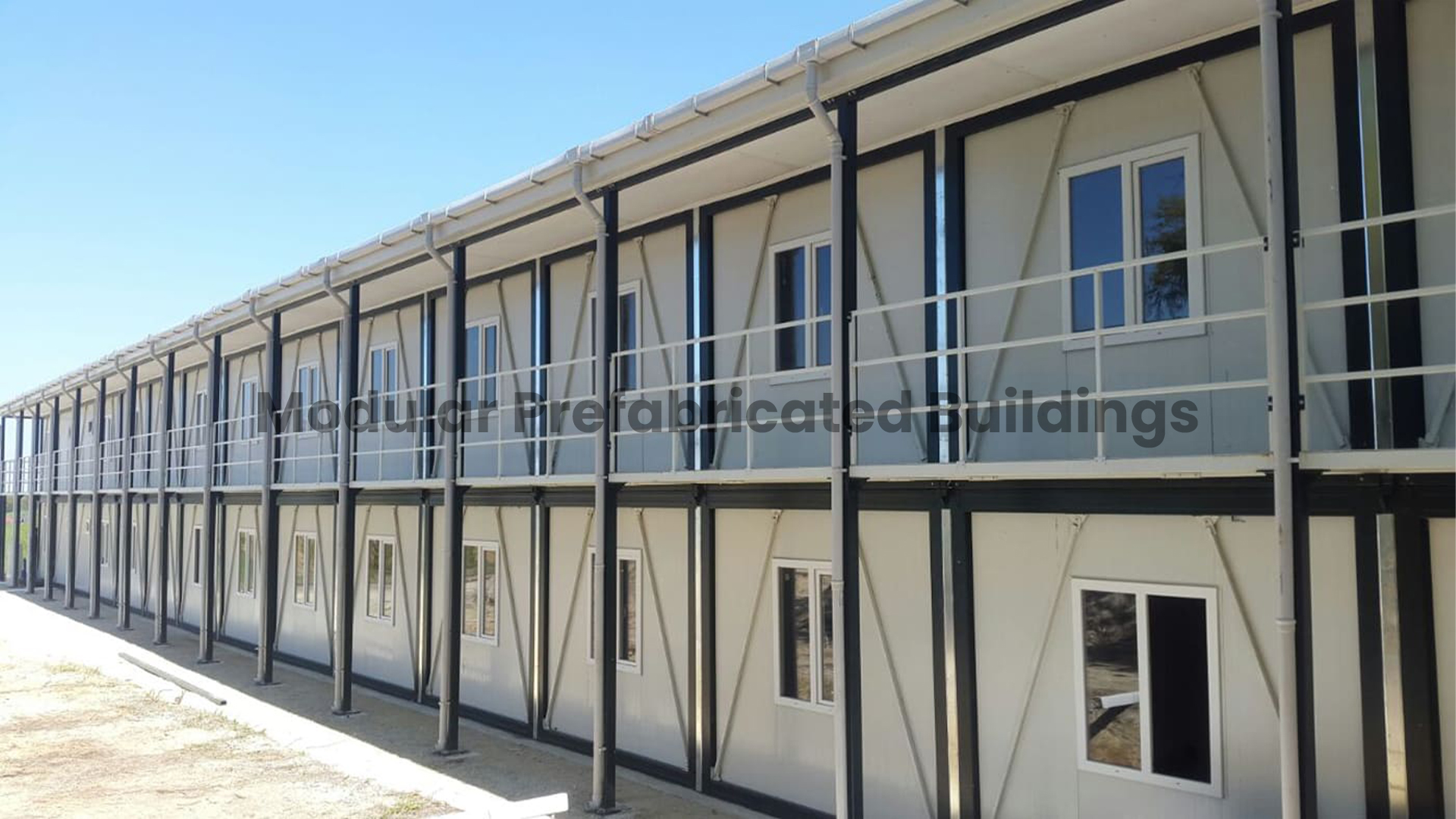
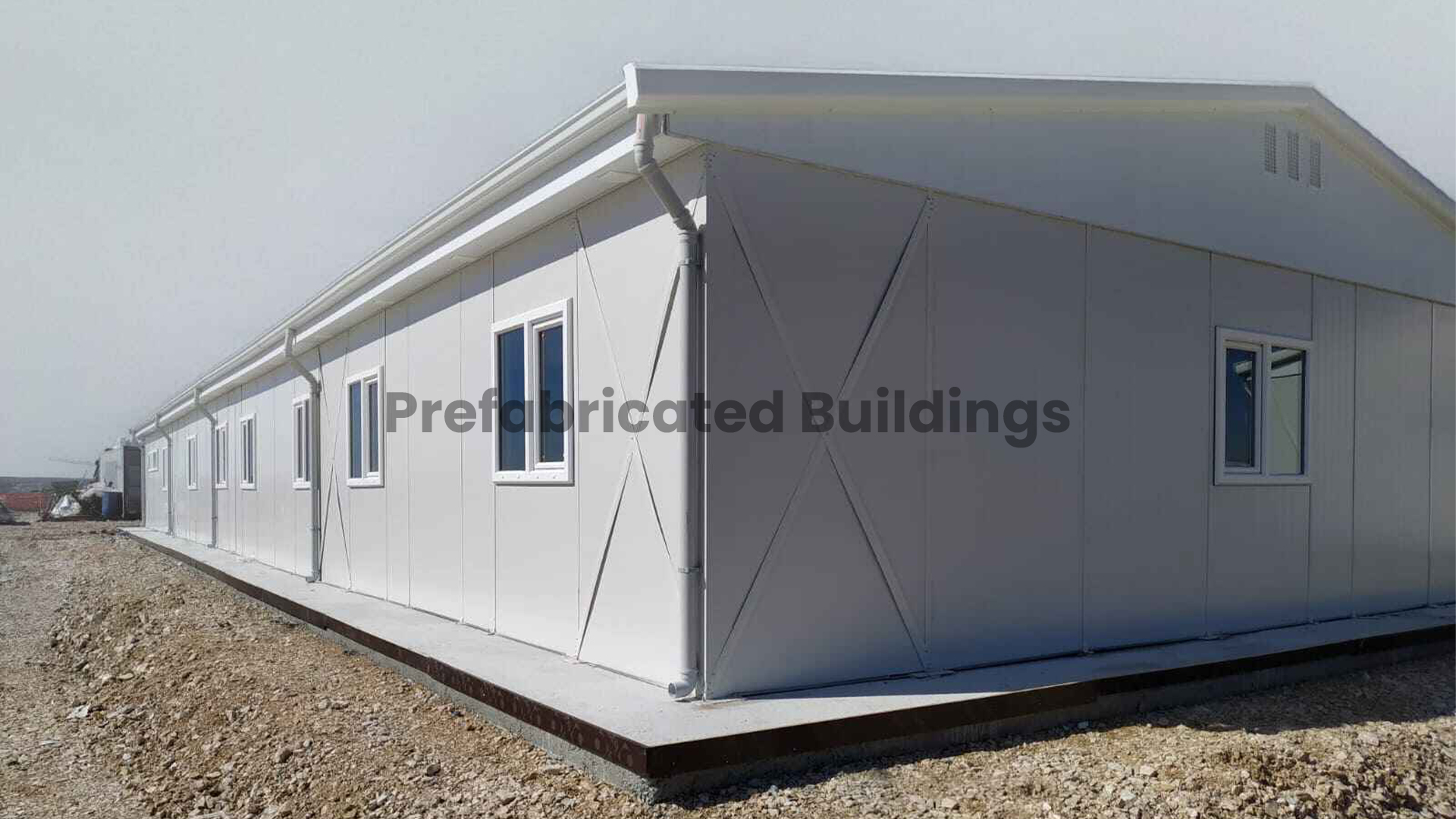
Module-T has supplied a wide range of prefab buildings in West Africa. Our team can provide the ideal solution if you are looking for a modular building supplier in Cameroon. We can customise a modular building for use in the arid plains of the north, organise transport to Cameroon’s mountainous central regions, or optimise the prefabricated buildings to withstand the harsh climate and tropical rainforests. Here’s a brief look at a few Module-T products and the advantages of using modular construction in Cameroon.
Modular Building: A Fast and Quality Container Solution
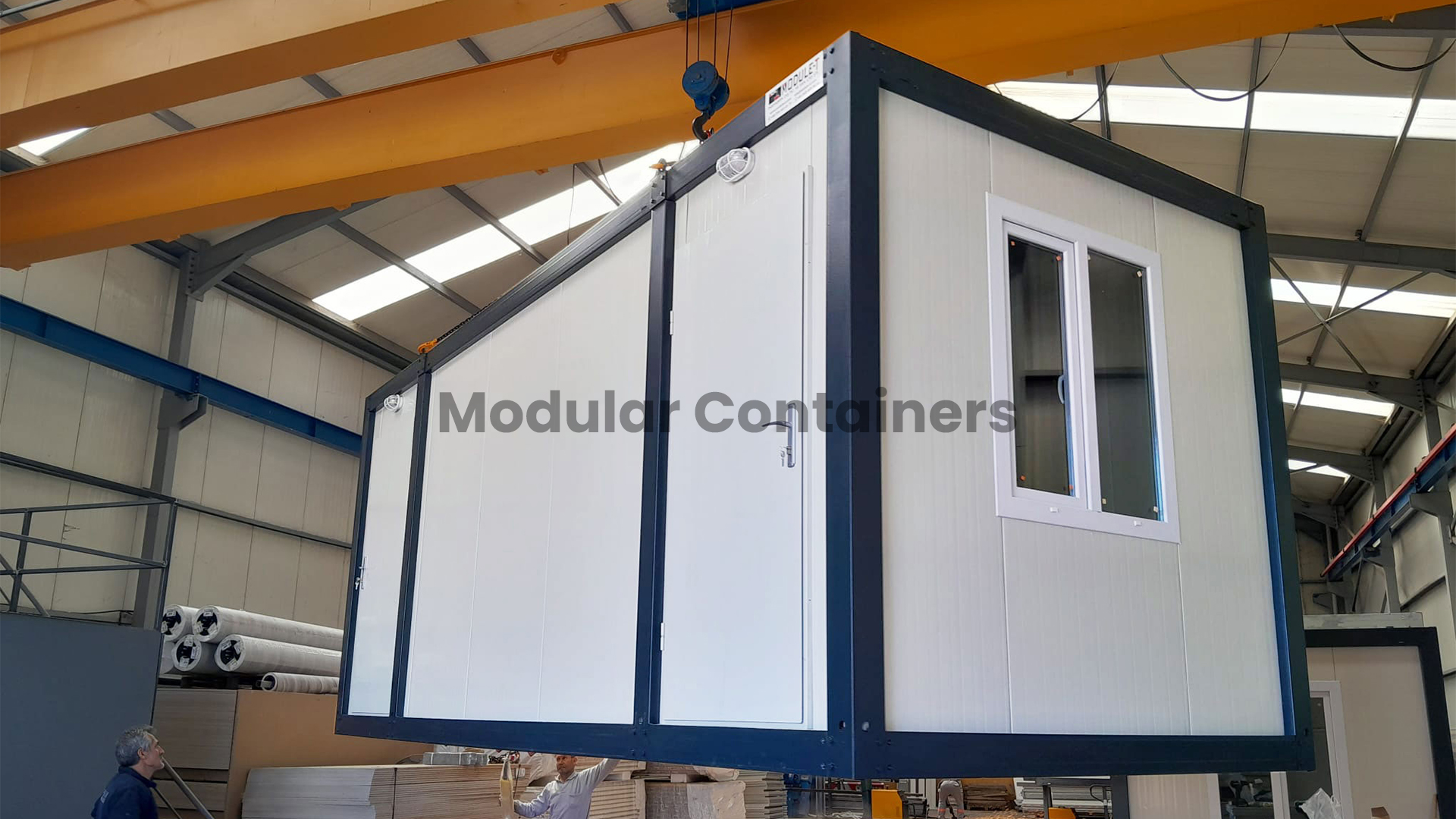
To understand the advantages of modular building, you first need to think of modular construction as a building process rather than a product. It’s an alternative to conventional site-built construction whereby the structure is designed and manufactured away from your location, in our factory in Turkey, and then shipped in sections to your site for assembly and use. Each unit is precision made in our controlled environment using trained staff and high technology to ensure a top-quality product every time. T Once delivered and erected, the modular building adheres to the same UK, US, and EU building codes and regulations as standard constructions. It can be designed, produced, and delivered in almost half the time of a traditional structure in most cases, often saving you up to 50% compared with conventional construction.
The Benefits You Will Gain with Module-T Prefab Modular Containers
The last decade has seen modular buildings become a hot topic in construction. Modular construction is not a new concept. However, advances in modular design and the materials used in the building process have improved so much that the benefits make a modular structure a wise, cost-effective, and time-saving alternative to ordering a traditional construction. See below a few of the key benefits of a modular building.
- Modular Buildings Save Time
Modular constructions are mostly built away from the location, with only the foundation work, assembly, and utility connections at your site. This time-saving approach means the preliminary footings can take place as the structure is being manufactured, typically resulting in a time saving of up to 50 per cent in build time compared to brick-built constructions.
- Modular Buildings Can Be Relocated
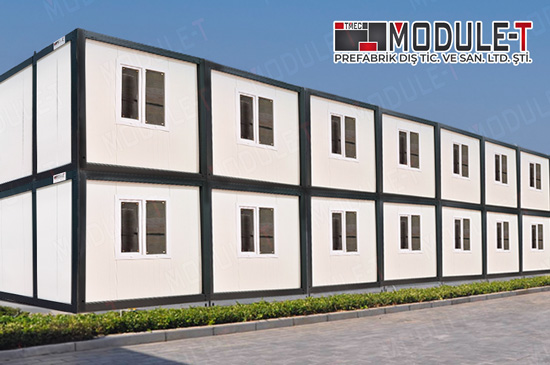
The main advantage of a modular building for many is that it can be dismantled and relocated, making them ideal for creating workcamps, offices, dormitories, or facilities on heavy engineering sites, mines, construction sites, or any other temporary location. In the same way, as the building is erected, it can also be taken down, packed, transported, and relocated.
- Lower Labour Costs
One significant benefit of ordering a modular construction is the financial savings you can make on labour costs. Reliable, skilled contractors in West Africa can be hard to find, and those that do exist often charge a premium. This shortage of good labour can lead to sub-standard builds and cost you considerable time and money. Alternatively, a prefab building is built by trained full-time staff and technology remotely, so the quality of the labour and product is assured, saving you time, hassle, and money.
- Weather Delays Are Virtually Eliminated
The climate in Cameroon can cause weather delays which can cause damage to the on-site build, be a risk to on-site contractors and employees, and often push the project back weeks or even months in some cases. In contrast, prefabricated structures are built in a factory in controlled conditions to ensure quality. Only the foundations and assembly are done at the site, so bad weather doesn’t usually impact the building process.
- A Modular Building Is Flexible
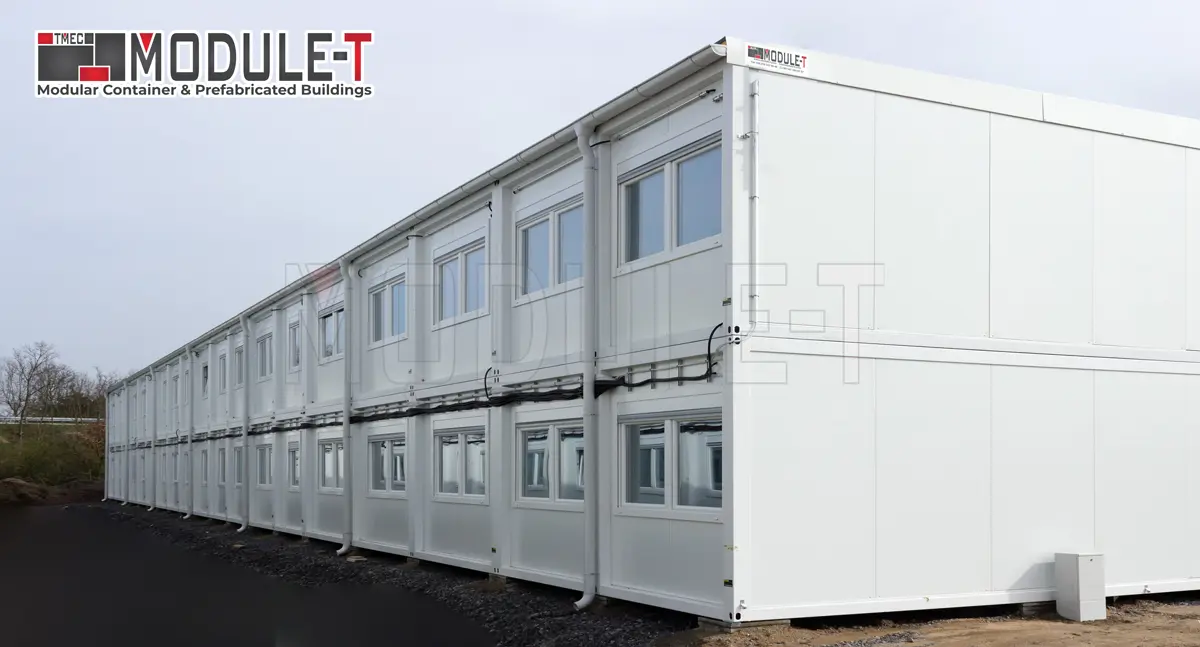
Prefab structures are highly flexible and can be expanded, reconfigured, reduced, or relocated as necessary. Each structure is designed to be stacked, linked, joined, stand-alone, or placed alongside another modular structure to allow you to create all the space required.
- Fewer Waste Materials
Substantial savings on materials can be made by ordering a modular construction. Often, with traditional building methods, a lot of waste is created that ultimately hits your pocket and ends up in landfill sites. Due to the precise technology and controlled nature of prefabrication, waste is kept to a minimum, and what results can often be recycled. This keeps costs down and is far more sustainable and better for the environment.