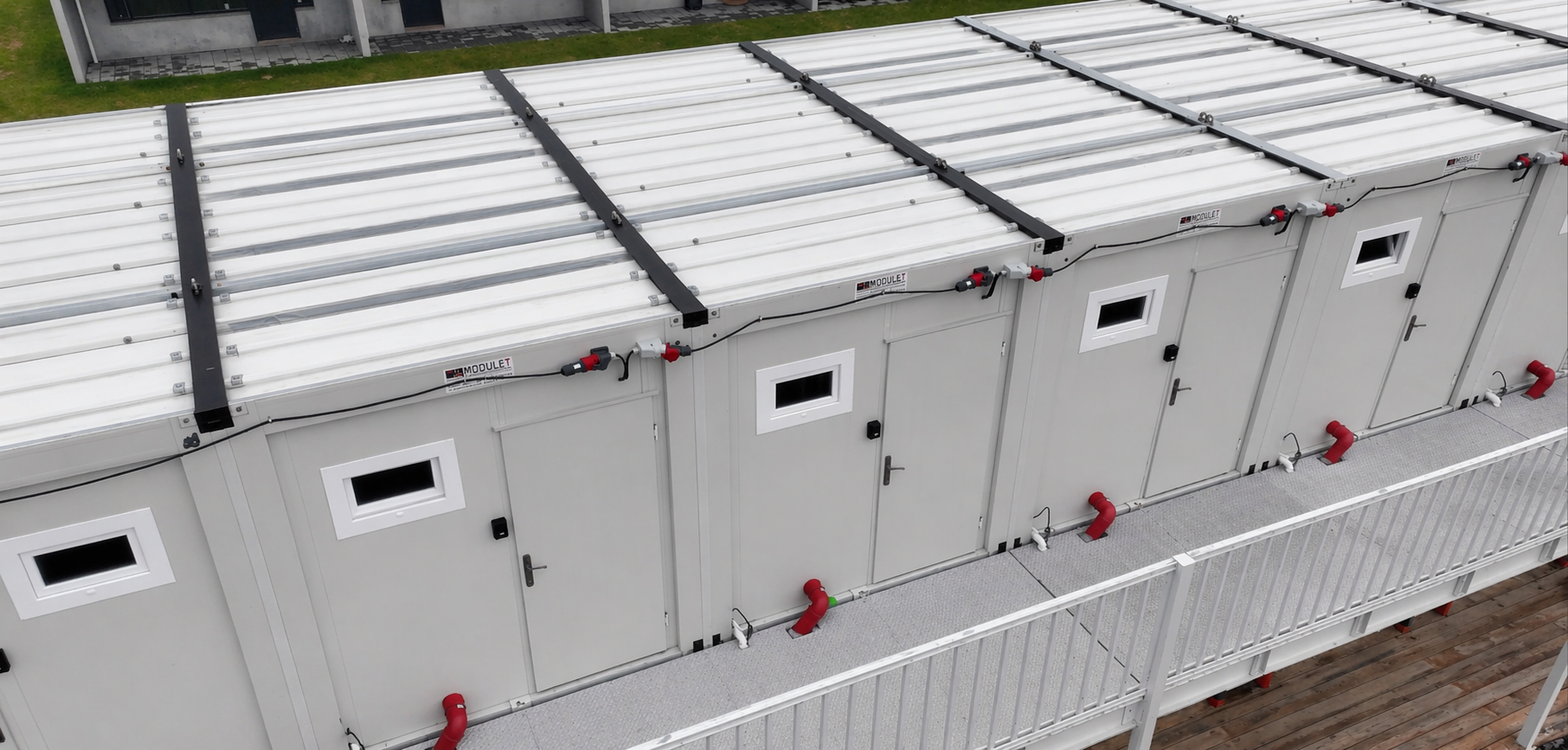
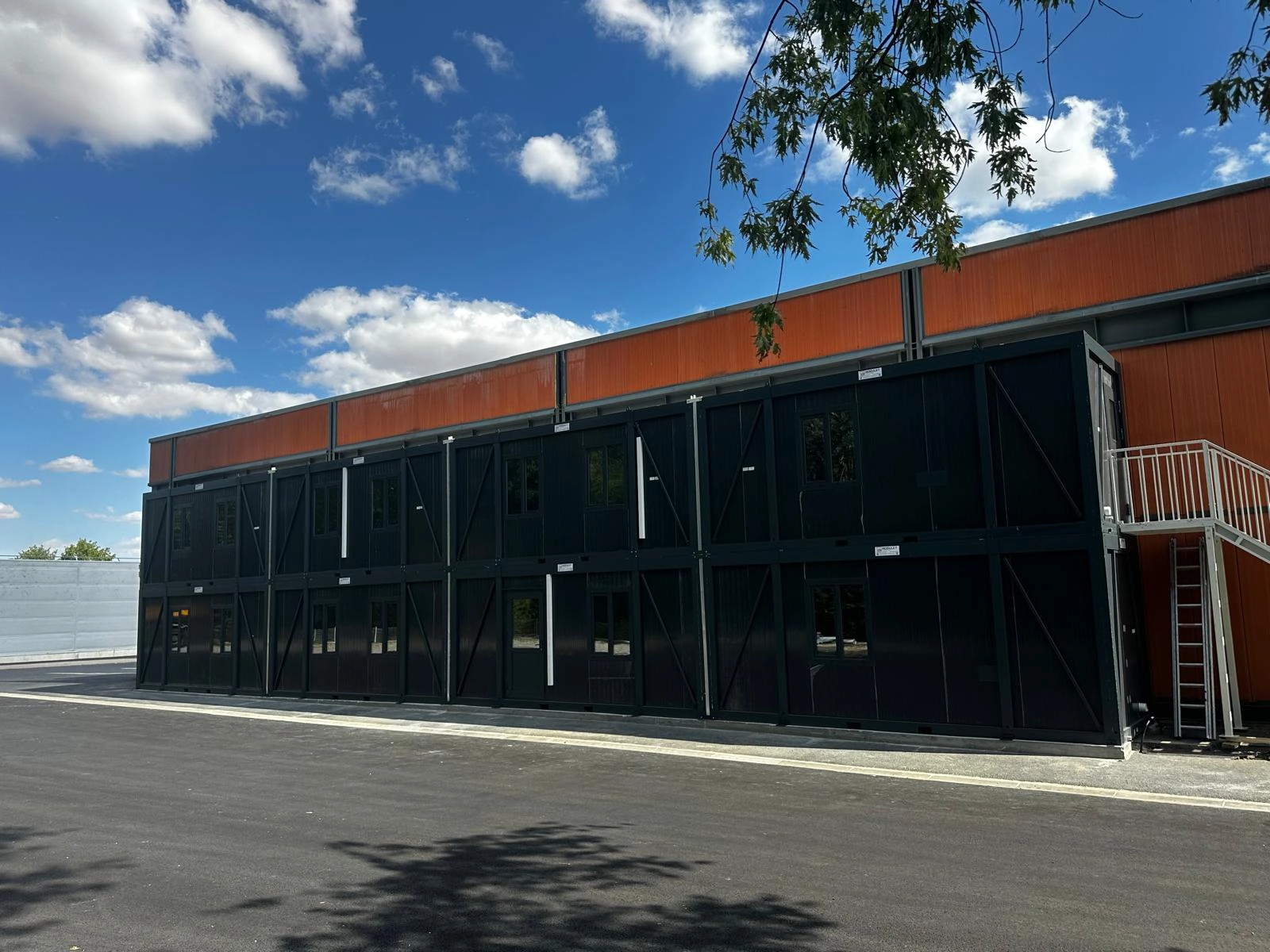
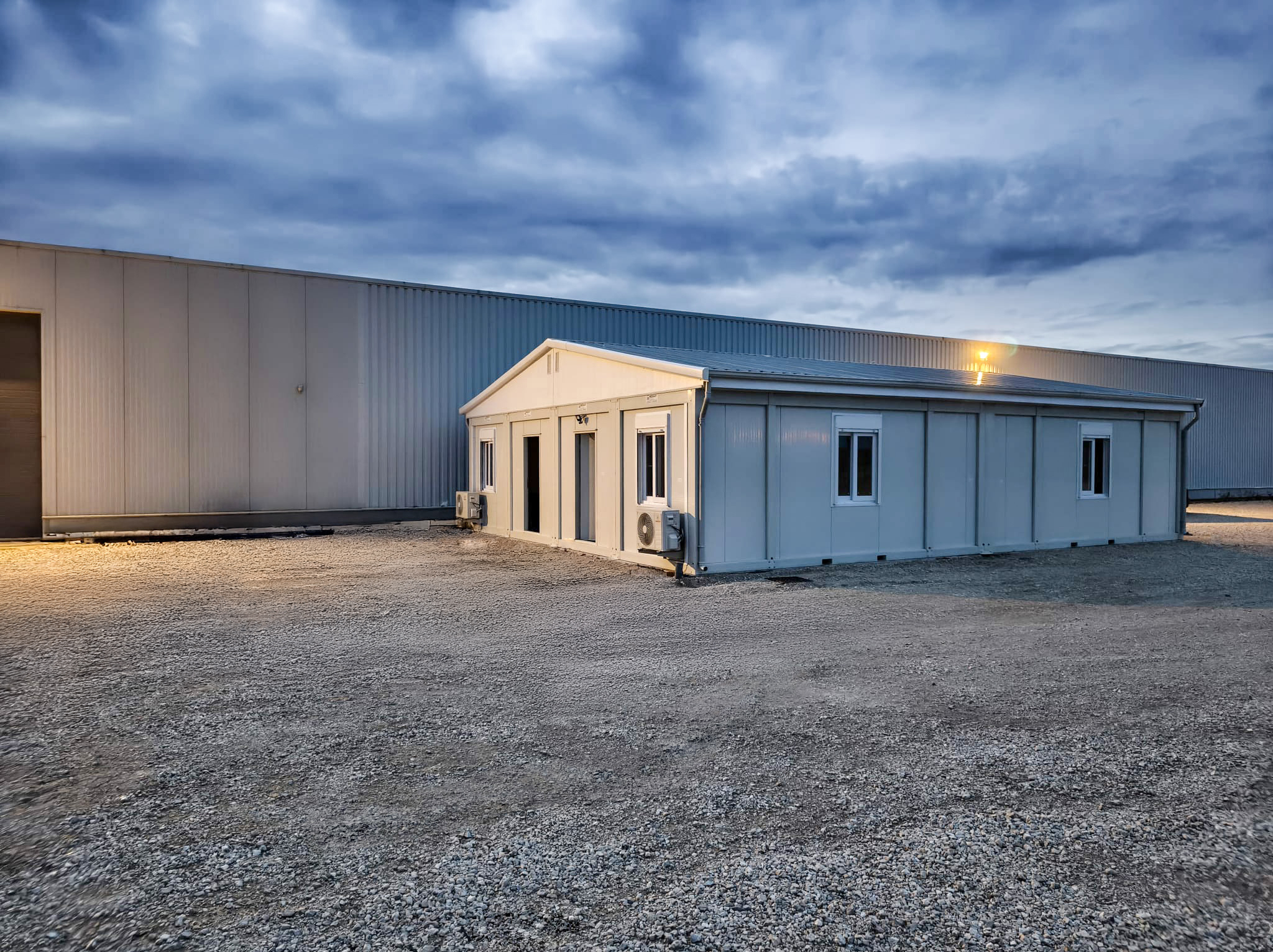
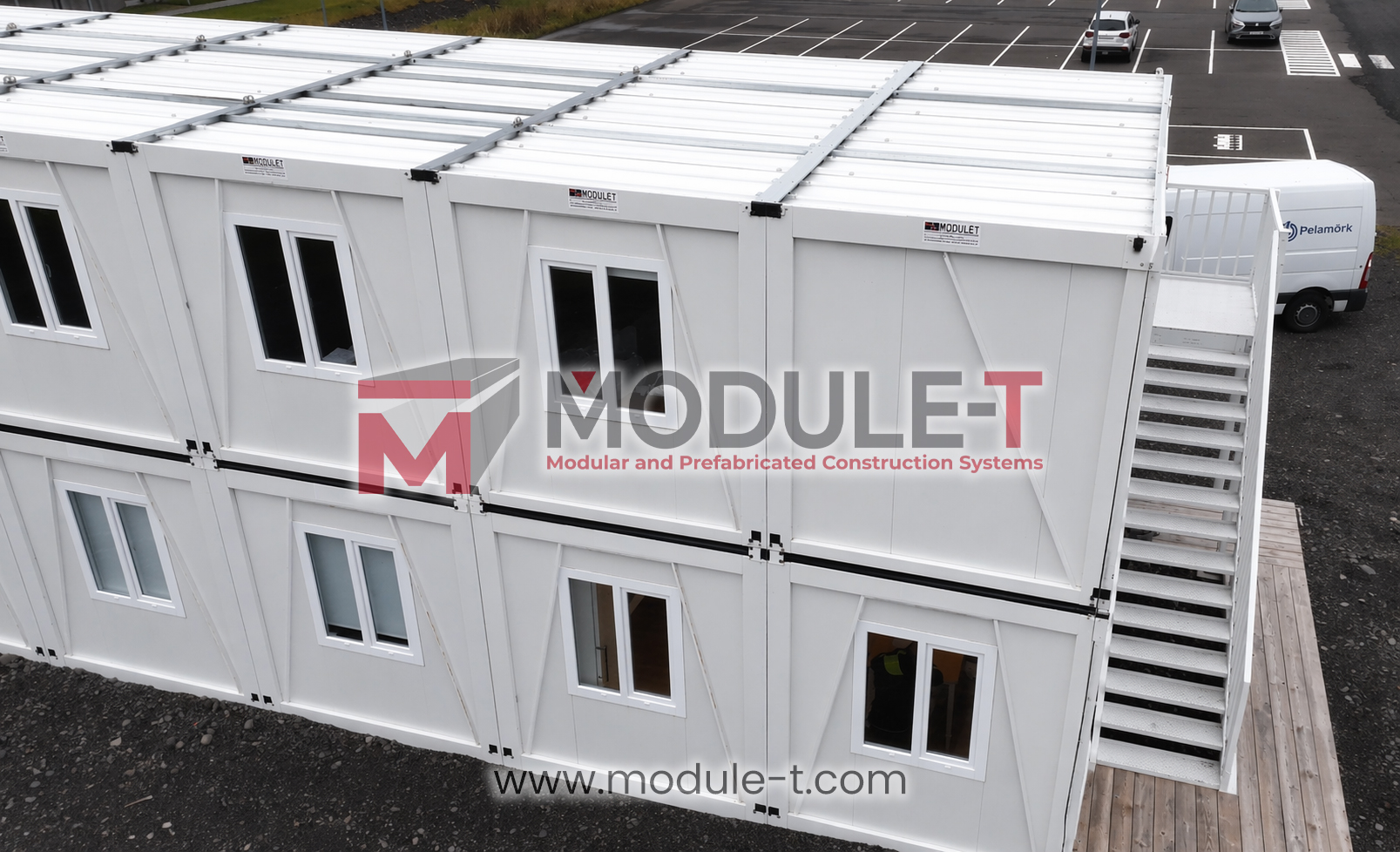
Modular building iceland is a 192 m² two-storey prefabricated building delivered in 3 weeks.
In the dramatic landscapes of Iceland, where extreme weather conditions and challenging terrain often dictate conventional construction timelines, a paradigm shift is underway. This article delves into a remarkable project: a 192 m² two-storey prefabricated building delivered and ready for occupancy in an astonishingly short span of just three weeks. This achievement is not merely a testament to speed; it showcases the power of modern offsite construction to deliver high-quality, energy-efficient, and sustainable housing units with unprecedented efficiency. We will explore how this project leverages the principles of industrialised construction to overcome typical logistical hurdles, meet stringent building regulations, and provide a compelling glimpse into the future of building in even the most demanding environments.
Modular Construction in Iceland
Iceland’s unique geographical and climatic conditions have long presented significant challenges for traditional building methods. Short construction seasons, harsh winds, and the need for robust insulation make timely and cost-effective construction a priority. This is where modular construction emerges as a highly advantageous solution. Producing building components in controlled factory environments significantly mitigates the impact of adverse weather, allowing for continuous production year-round. This approach not only accelerates project timelines but also enhances overall quality control, as assembly occurs under ideal factory conditions rather than exposed to the elements. The growing adoption of modular building in Iceland reflects a global trend towards more efficient and sustainable construction practices, offering a viable alternative for creating much-needed housing units and commercial spaces.
Project Overview
This groundbreaking project involved the delivery of a 192 m² two-storey prefabricated building in Iceland. Designed to meet the specific needs of its occupants and the challenging Icelandic environment, this structure represents a significant milestone in rapid construction. The key highlights of this project include:
- Location: A specific site within Iceland, subject to its unique weather and logistical considerations.
- Building Size: A spacious 192 m² footprint, providing ample living or working space.
- Structure: A robust two-storey modular building, demonstrating scalability.
- Delivery Time: An exceptional turnaround of just 3 weeks from initial delivery to near-completion, a testament to the efficiency of the modular process.
- Type: A fully prefabricated building, encompassing all essential building components.
This project exemplifies how modular construction can efficiently deliver substantial housing units with remarkable speed and precision.
Construction Process
 The 3-week on-site construction timeline, from module delivery to final finishing.
The efficiency of delivering a 192 m² two-storey building in just three weeks is rooted in the highly controlled and streamlined construction process inherent to modular building. Production begins long before any site work commences, within a state-of-the-art factory environment. Here, advanced technologies like the Multifunction Bridge WALLTEQ M-500 and the Frame Work Station FRAMETEQ F-500 are utilized to construct wall elements with exceptional accuracy. A Linear portal STORETEQ H-300 might also be employed for material handling, further optimizing workflow.
This industrialised construction approach means that all critical building components – from the timber-framed element houses that form the structure to the integrated utilities – are manufactured simultaneously. Precision manufacturing ensures that each module fits perfectly, reducing assembly time on site. Water and electricity systems are often pre-installed and tested in the factory, a crucial step for subsequent quick hook-up. Once these building components are complete and have passed rigorous quality control checks, they are transported to the project site. On-site assembly is then rapid and efficient, involving the placement and connection of these pre-finished modules. This meticulous factory-based production and subsequent on-site assembly are central to achieving significant Construction Time Savings, allowing for up to 25% to 50% faster completion compared to traditional stick-built methods.
Design Features
The design of this 192 m² two-storey modular building prioritizes both aesthetic appeal and robust functionality, crucial for enduring Icelandic conditions. Key design features include:
- Energy-Efficient Design: This is paramount in Iceland. The building incorporates high-performance insulation, such as mineral wool, rigorously tested to meet or exceed stringent energy codes. This focus on energy efficiency contributes to the creation of sustainable houses that minimize heating costs and environmental impact. The building might even be designed with principles of passive houses in mind, maximizing natural light and heat retention.
- Durable Structure: Utilizing timber-framed homes and elements ensures a strong yet relatively lightweight structure, capable of withstanding the country’s prevalent wind loads. Prefabricated element houses are engineered for resilience.
- Panoramic Windows: Strategically placed panoramic windows not only flood the living area with natural light but also offer breathtaking views of the Icelandic landscape, enhancing the occupants’ connection with their environment.
- Modern Aesthetics: The design often embraces Scandinavian aesthetics, characterized by clean lines, minimalist forms, and a focus on natural materials, creating a harmonious integration with the surrounding environment.
- Fully Equipped Living Spaces: Interiors are designed to be functional and comfortable. This includes well-defined living areas, ample storage space, and consideration for contemporary needs, potentially including dedicated covid space if required. Finishing touches like ceiling coverings and integrated air conditioning ensure immediate habitability upon delivery.
Modular House and Prefab Houses
Understanding the nuances between “modular house” and “prefab houses” is key to appreciating modern construction. Both terms refer to structures built from pre-made components. However, modular houses are typically constructed in distinct sections or modules that are then transported and assembled on-site. This allows for greater Customization and Scalability, enabling the creation of complex designs like the two-storey building discussed. Prefab houses, a broader category, can include panelized systems or other pre-fabricated elements. In the context of this project, it’s best described as a form of permanent modular construction, where modules are permanently affixed to a foundation, resulting in a structure indistinguishable from traditionally built homes in terms of durability and permanence. The distinction highlights the advanced capabilities and design flexibility offered by true modular building systems today.
Applications
The rapid delivery and high-quality construction offered by modular building systems open up a vast array of applications, extending far beyond traditional residential housing. For a 192 m² two-storey structure in Iceland, potential uses are diverse:
- Workforce Housing: In remote industrial project settings, such as those in the oil and gas sector or for large infrastructure developments, the ability to quickly deploy safe and comfortable camp buildings or dedicated workforce housing is invaluable.
- Commercial Spaces: This could serve as modular office buildings, retail spaces, or educational facilities where speed to market is critical.
- Specialized Accommodation: Buildings designed for research stations, eco-tourism lodges, or other remote outposts benefit from the resilience and quick deployment of modular solutions.
- Modular Camp Buildings: The inherent speed and scalability make modular construction ideal for establishing temporary or permanent camps for various operational needs.
- Safety-Critical Accommodation: In situations requiring rapid deployment of living units that meet high safety and durability standards, modular construction is a reliable choice.
- Relocatable Buildings: While this project is likely permanent modular construction, modular technology also supports relocatable buildings for temporary needs.
The versatility of these prefabricated building systems allows them to adapt to numerous functional requirements, providing efficient and reliable housing units and workspaces across various sectors.
Benefits of Modular Construction
The advantages of embracing modular construction are manifold, especially when applied to projects in challenging environments like Iceland. The most prominent benefit is undoubtedly the significant Construction Time Savings, allowing projects to be completed in a fraction of the time compared to conventional methods. In fact, modular construction can reduce building schedules by 25% to 50% compared to traditional stick-built construction. This speed translates directly into Cost Efficiency, as reduced labor time, fewer site disruptions, and minimized material waste contribute to overall project affordability.
Furthermore, the factory-controlled environment ensures superior Quality Control. Building components are manufactured with precision using advanced machinery, leading to a higher standard of finish and durability. The impact of adverse weather conditions is virtually eliminated during the primary construction phase, preventing costly delays and damage. Modular construction also inherently promotes Environmental Impact reduction through optimized material usage and reduced on-site waste. Finally, the process facilitates efficient planning and predictable outcomes, making it a reliable method for delivering modern housing units.
Benefits of Prefab Houses
Prefab houses, as a subset of prefabricated building systems, offer a compelling package of benefits that resonate strongly in today’s construction landscape. The core advantage is the rapid construction cycle, which significantly cuts down on project timelines. This speed, combined with optimized material sourcing and reduced labor requirements on-site, leads to substantial Cost Efficiency. The controlled factory environment where these prefab houses are built ensures a higher level of Quality Control, resulting in more durable and precisely constructed buildings.
Moreover, the offsite construction industry is increasingly focused on sustainability. Prefabricated element houses often utilize Sustainable Materials, such as responsibly sourced timber for timber-framed homes, contributing positively to the Environmental Impact. The efficient manufacturing process also minimizes waste. Adherence to stringent building regulations and energy codes is a standard practice in reputable prefab factories, ensuring the finished product is safe, compliant, and energy-efficient. The ability to customize designs and scale projects makes prefab houses a flexible solution for a wide range of needs, from individual homes to larger developments.
Conclusion
The successful delivery of a 192 m² two-storey prefabricated building in Iceland within a remarkable three-week timeframe is a powerful testament to the advancements and capabilities of the modern offsite construction industry. This project underscores that modular and prefabricated building systems are no longer niche solutions but are at the forefront of delivering efficient, high-quality, and sustainable housing units. By meticulously controlling the manufacturing process in a factory setting, leveraging technologies like advanced wall production lines, and integrating meticulous planning for site logistics, it is possible to overcome the challenges posed by demanding environments and stringent building regulations.
The global modular construction market is experiencing significant growth, projected to reach USD 43.99 billion by 2030, with a CAGR of 5.39% in Europe alone, highlighting its increasing adoption. Organizations like the Modular Building Institute (MBI), along with initiatives like the MBI Learning Center and the annual World of Modular conference, are driving innovation and setting operational standards, further solidifying the industry’s potential. This project demonstrates that modular building offers not just speed but also exceptional energy-efficient design, a reduced Environmental Impact, and the flexibility for customization and scalability, aligning perfectly with the needs for sustainable houses and efficient living units. For those seeking rapid, reliable, and high-quality construction solutions, the era of industrialised construction has truly arrived.